Resources
How Mouth Breathing Affects Oral Health, Sleep and Jaw Growth
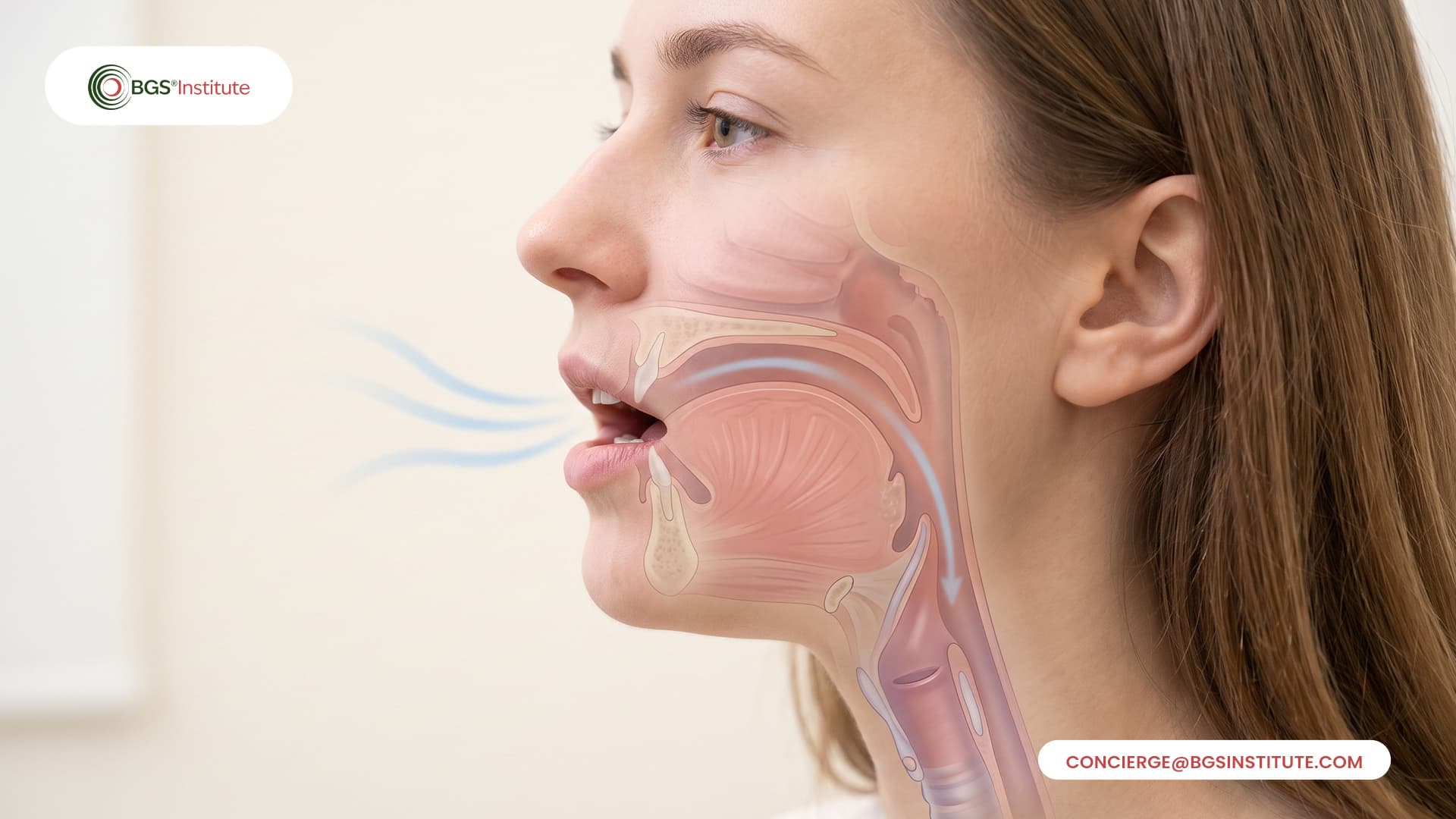
Many parents do not realize that crowded teeth, restless sleep, and morning dry mouth may be connected to the way a child breathes. Mouth breathing is often dismissed as a habit, but when it becomes persistent, it may affect the oral environment, tongue posture, sleep quality, and developing dental arches.
The clinical importance of mouth breathing depends on when it occurs, how long it has continued, and whether it appears with oral, nasal, developmental, or sleep-related symptoms.
What Is Mouth Breathing?
Mouth breathing means regularly moving air through the mouth instead of primarily through the nose during rest or sleep. It may occur temporarily during exercise, a cold, or nasal congestion. A persistent pattern happens repeatedly outside these temporary situations and may require further evaluation.
Why Dentists Pay Attention to Mouth Breathing
Dentists examine structures directly involved in oral posture and function, including the tongue, palate, gums, dental arches, and bite. Changes in these areas may influence preventive care, orthodontic planning, restorative treatment, and long-term treatment stability.
Mouth Breathing Changes the Oral Environment
Saliva helps protect enamel, control microbes, neutralize acids, and clear food particles. Continuous airflow through an open mouth can increase moisture evaporation, leaving the lips and oral tissues dry and reducing the protective effect of saliva.
Research has associated mouth breathing in children with plaque accumulation, gingival inflammation, and possible caries risk. A systematic review of dental and periodontal outcomes found possible associations, but the observational evidence did not establish mouth breathing as the only cause of these problems.
Nasal Breathing, Airway Obstruction, and Referral

Nasal breathing helps filter, warm, and humidify inhaled air while supporting normal airway physiology and respiratory function.
The nose filters, warms, and humidifies inhaled air before it reaches the lower respiratory system. Nasal breathing is the normal physiological route during rest, but encouraging a patient to close the mouth does not correct an underlying obstruction.
Persistent mouth breathing may be associated with allergies, chronic congestion, enlarged tonsils or adenoids, structural nasal obstruction, or a breathing pattern that continues after the original problem has improved. Mouth breathing during intense exercise is usually different from regular mouth breathing during rest or sleep.
Referral may be appropriate when a patient has ongoing nasal breathing difficulty, loud snoring, disturbed sleep, or other airway-related symptoms. Depending on the suspected cause, assessment may involve an ENT specialist, allergist, pediatrician, or sleep physician. (Source: Association Between Upper Airway Obstruction and Malocclusion in Mouth Breathing Children)
Tongue Posture Connects Breathing With Jaw Development
At rest, the tongue normally sits near the palate and helps maintain balance between the tongue, cheeks, lips, and developing dental arches. With persistent mouth breathing, the tongue may remain lower and the lower jaw may adopt a different resting position.
Resting posture and swallowing patterns repeatedly influence the muscular forces around the mouth. During childhood, altered oral posture may be associated with differences in palate shape, arch width, facial height, jaw position, and bite relationships.
Tongue posture is only one part of development. Genetics, age, airway conditions, oral habits, muscle function, and the duration of the breathing pattern must also be considered. (Source: Effects of Mouth Breathing on Facial Skeletal Development in Children, systematic review and meta analysis)
How Mouth Breathing Can Affect Sleep

Mouth breathing during sleep may be associated with snoring, disrupted rest, morning dry mouth, daytime fatigue, and changes in attention.
Nighttime mouth breathing may occur alongside snoring, restless sleep, morning dry mouth, daytime tiredness, or attention and behavioral changes in children. Some children with disrupted sleep may appear irritable or unusually active rather than visibly sleepy.
These signs do not confirm obstructive sleep apnea, but they may justify further airway screening. The American Academy of Pediatric Dentistry recommends screening children for sleep-related breathing concerns and referring patients to an appropriate medical provider when obstructive sleep apnea is suspected.
Mouth Breathing in Adults
In adults, persistent mouth breathing may appear alongside dry mouth, snoring, fatigue, chronic nasal congestion, bruxism, or other signs of sleep-disordered breathing. The main concern is usually its effect on oral health and sleep rather than facial development, which is more relevant during childhood.
How Biological Dentists Evaluate Mouth Breathing
Within the Biodentistry 3.0 framework, Biological Dentists do not assess the mouth as an isolated collection of teeth. They consider how oral dryness, tongue posture, bite development, inflammation, breathing patterns, sleep symptoms, and patient history may be connected.
The assessment may include the lips, tongue, palate, gums, dental arches, tooth position, bite, and signs of tooth wear. These findings can help the dentist understand whether a breathing pattern may affect prevention, orthodontic planning, restorative treatment, or long-term oral stability.
When interdisciplinary review is appropriate, relevant oral findings can be documented and shared with the patient’s medical care team. This helps dental decisions reflect the wider clinical picture without moving beyond the dentist’s professional scope.
Signs That Deserve Professional Evaluation

Persistent mouth breathing, snoring, oral dryness, sleep disruption, dental changes, or difficulty breathing through the nose may warrant professional evaluation.
Evaluation becomes more important when persistent mouth breathing appears with more than one concern. Examples include mouth-open sleeping with snoring, nasal breathing difficulty with restless sleep, or morning oral dryness with ongoing gum irritation. The combination, frequency, and duration of symptoms are more informative than any single sign considered alone.
A Breathing Pattern Can Be an Important Clinical Clue
For dentists who want to connect breathing patterns, oral posture, sleep symptoms, inflammation, and treatment planning within a broader biological framework, the BGS Masterclass introduces the assessment principles and interdisciplinary boundaries of Biodentistry 3.0.
Frequently Asked Questions
Can Mouth Breathing Damage Teeth?
Mouth breathing can increase oral dryness and reduce the protective effect of saliva on the teeth and gums. When the pattern is persistent, it may contribute to plaque buildup, tooth decay, gum irritation, and bad breath.
Can Mouth Breathing Change a Child’s Face?
Research has found associations between chronic mouth breathing and certain facial and jaw growth patterns in children. However, genetics, age, airway obstruction, oral habits, and muscle function also influence development.
Is Mouth Breathing Always a Sign of Sleep Apnea?
No. Mouth breathing may occur because of congestion, allergies, enlarged tonsils, nasal obstruction, or habit. When it appears with snoring, disturbed sleep, or daytime symptoms, professional airway screening may be appropriate.
Can Mouth Breathing Continue After Nasal Congestion Improves?
Yes. In some patients, an oral breathing pattern may continue after a cold, allergy flare, or temporary obstruction has resolved. Persistent symptoms should be evaluated to determine whether an obstruction remains or the breathing pattern has continued for another reason.
Which Professional Should Evaluate Mouth Breathing?
A dentist may identify oral and developmental signs, while a pediatrician, ENT specialist, allergist, orthodontist, or sleep physician may investigate the underlying cause.

%2520(1).png&w=2048&q=75)