Resources
Biodentistry 3.0: The Global Standard Transforming Biological Dentistry
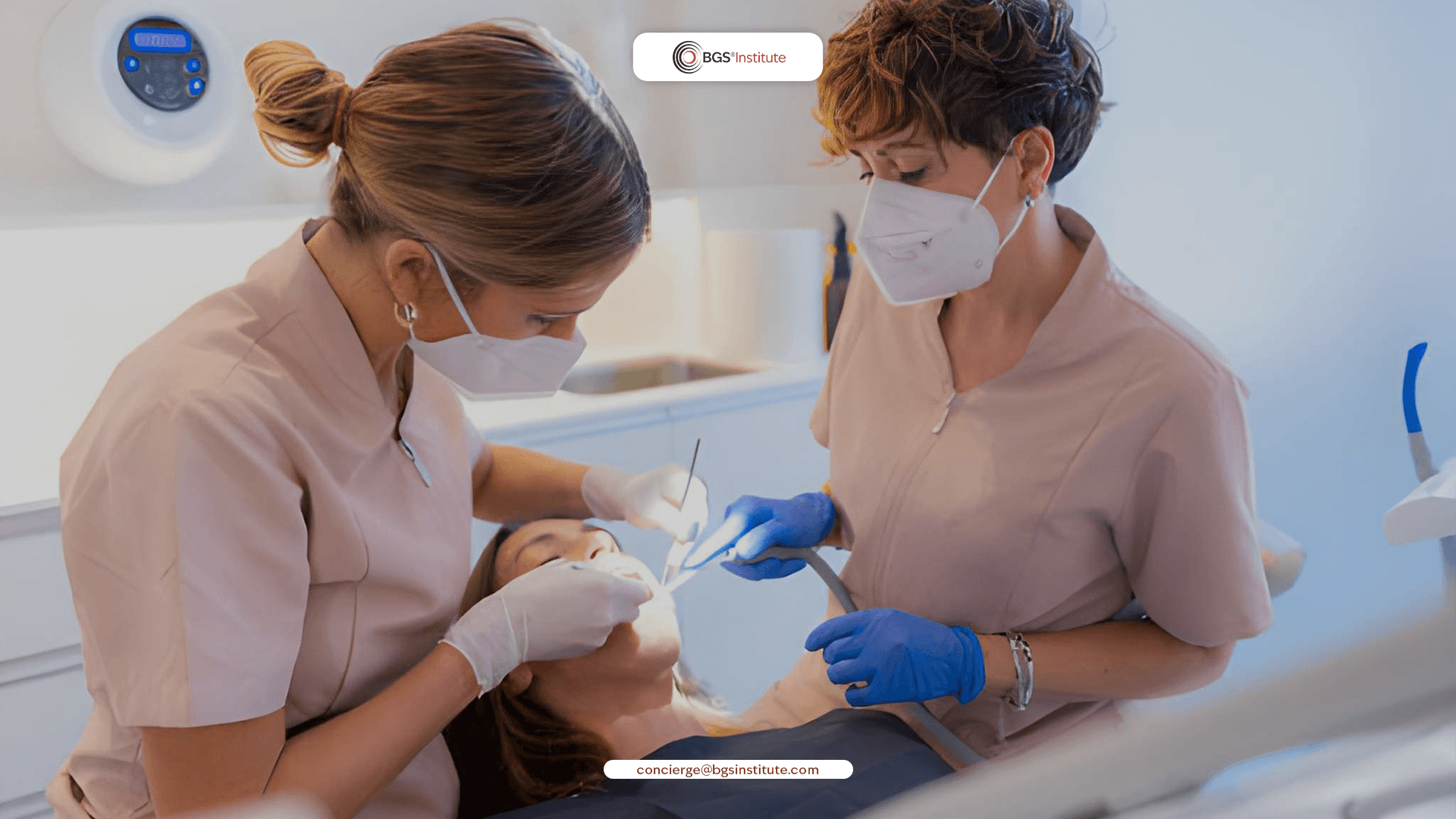
Modern dentistry often focuses only on treating teeth, while many health problems connected to the mouth remain overlooked. Research now shows that oral health importance in Biological Dentistry is closely linked to conditions such as diabetes, heart disease, and chronic inflammation. This connection also reflects the gut health and gum healing relationship. Yet many dental systems still treat the mouth separately from the rest of the body.
This gap is exactly what Biodentistry 3.0 aims to change. The new model of Biological Dentistry focuses on prevention, nutrition, healing, nutrients like magnesium for oral health support, and the connection between oral health and whole body health. It also introduces a global standard that helps Biological Dentists move beyond traditional dentistry and step into the role of true health leaders.
What Biological Dentistry Means in Modern Dental Care

Modern Biological Dentistry focuses on prevention, safe treatment methods, and patient centered care as part of the Biodentistry 3.0 model.
At its core, Biological Dentistry is built on a simple but powerful belief: the mouth is part of the body, not separate from it. Dr. Dome’s official overview describes Biological Dentistry as an approach that connects oral health with overall wellness, prioritizes minimally invasive care, patient education, and biocompatible materials. This also helps address many common biological dentistry myths.
This thinking matches the direction of public health research. The NIH describes oral health as a “barometer” for the rest of the body, and the American Heart Association notes that gum disease is linked to a higher chance of heart and blood vessel problems, even though it does not prove direct causation by itself. This also helps clarify many common biological dentistry myths.
That is why Biodentistry 3.0 matters. It turns the mouth body connection from an idea into a system of care. As Dr. Dominik Nischwitz (Dr. Dome) explains, “The mouth is the gateway to the body. When we understand this connection, dentistry becomes a powerful tool for whole body health.”
(Source: Dr. Dome Podcast – drdomeofficial.com)
Why Modern Dentistry Is Changing
Many patients today want more than repair based dentistry. They want answers about prevention, recovery, inflammation, materials, and long term health. That demand is happening at the same time that health systems are moving toward more patient centered care, better quality standards and stronger prevention models.
The World Health Organization defines quality care as care that improves the likelihood of desired health outcomes and stays consistent with evidence based professional knowledge. The Joint Commission also states that standards help healthcare organizations measure, assess, and improve performance, with patient safety and quality at the center.
Modern Biological Dentistry continues to evolve as clinicians develop more structured approaches to prevention, regenerative care, and patient preparation. These efforts have led to the development of clear clinical principles that guide the Biodentistry 3.0 model.
The First Biodentistry Global Standard Mastermind
Biological Dentists from North America, Europe, and Australia recently gathered in Venice Beach, California to discuss the future of Biological Dentistry.
This meeting marked the first Biodentistry Global Standard Mastermind, where leading practitioners aligned on the principles that define Biodentistry 3.0.
The goal was to create a clear global standard that prioritizes patient preparation, nutrition, prevention, and regenerative care.
See why Biodentistry needs a Global Standard here.
The Five Core Principles Behind Biodentistry 3.0
The discussion during the Biodentistry Global Standard Mastermind led to the definition of several key principles that guide Biodentistry 3.0. These principles focus on prevention, patient preparation, nutrition, and regenerative care. Together, they help create a consistent and patient centered model for modern Biological Dentistry.

The Biodentistry 3.0 model is built on five key principles: patient preparation, nutrition, bone healing, meaningful certification, and reproducible global standards.
1. Patient Preparation Starts Before Treatment
One of the clearest ideas from the mastermind was that no patient should enter treatment “cold.” In Biodentistry 3.0, healing starts before surgery. The Institute’s own training program teaches a LifeChanger patient preparation model built around diet, toxin reduction, blood sugar stability, and gut support before dental work begins.
This approach also fits broader oral health guidance. The CDC and WHO both both stress that limiting added sugar supports oral health, while diet quality plays a major role in prevention.
2. Food Design and Nutrition Are Part of the Clinical Model
The Institute’s Biodentistry 3.0 program includes the Food Design Concept, which teaches practitioners how to use nutrition to support blood sugar balance, gut healing, daily recovery, and better patient outcomes. That makes nutrition a clinical pillar, not just lifestyle advice.
For readers, this is one of the most practical ideas in the whole movement. It means your dental outcome is not only shaped by the procedure itself. It is also shaped by what happens in the weeks before and after treatment.
3. Bone Healing and Regeneration as a Clinical Priority
The mastermind also emphasized the Supzential Bone Healing Protocol and dental implant healing supplements as a clinical foundation. The Institute’s certification program similarly teaches targeted supplementation, bone regeneration support, and Dr. Dome’s surgical protocol for ceramic implant care.
This reflects a broader trend inside Biodentistry. Healing is no longer seen as passive. It is prepared, supported, and measured.
4. Biological Dentistry Certification and Professional Standards
Another major agreement was the launch of a stronger directory model. The Institute already maintains a directory that identifies clinics and dentists who completed Biodentistry 3.0, Food Design, and Bone Healing certifications.
For patients, this creates more transparency. For dentists, it gives real meaning to Biological Dentistry certification and Biological Dentist training.
5. Creating a Reproducible Global Standard for Dental Care
A movement can grow quickly, but credibility only lasts when quality can be repeated. The Institute presents Biodentistry 3.0 as a structured learning system, with modules, assessment, certification, and clinic implementation support.
Graduates earn credentials in Biodentistry 3.0, Food Design, and Bone Healing after completing the program and final assessment. For a profession that wants to grow responsibly, that is a strong foundation.
To learn more about how to elevate your practice to the Biodentistry Global Standard and explore the training, please visit here.
Why Biodentistry 3.0 Matters for Patients
For patients, the meaning is simple. Biological Dentistry is moving toward a model that is more intentional, more preventive, and more complete. The CDC reports that about 4 in 10 adults aged 30 and older have periodontitis, and oral health problems remain common throughout adult life.
So when a clinic focuses on patient preparation, nutrition, biocompatible treatment planning, and recovery support, it is responding to the reality that better oral care often requires better system wide support.
Why Biodentistry 3.0 Matters for Dentists and Clinic Owners
For professionals, Biodentistry 3.0 also represents a business shift. It creates a path for dentists who want to build a more modern patient centered dental practice and move away from a purely volume based model.
The Institute presents its program as a pathway for dentists, implantologists, doctors, and clinic owners who want to future proof their practice. Many dental professionals today are exploring how they can transition into Biological Dentistry and build a more patient centered model of care.
This growing interest is also reflected in common search topics such as how to become a Biological Dentist, Biological Dentistry courses, and advanced Biological Dentist training. Dentists are not only exploring new ideas. They are also looking for practical systems they can implement in their clinics.
The Future of Biological Dentistry and Biodentistry 3.0

The Biodentistry 3.0 model emphasizes prevention, patient preparation, and safe treatment protocols in Biological Dentistry.
The most important outcome of the Venice Beach mastermind may be this: Biological Dentistry is moving from scattered ideas to a more unified standard. The Institute already frames Biodentistry 3.0 as a new era of training and practice, while Dr. Dome’s book and platform continue to position the mouth as a key starting point for health.
If this model continues to grow through certification, directories, congresses, and education, Biodentistry 3.0 may become the language of a new profession.
To learn more about the Biodentistry Global Standard and why Biological Dentistry needs a standard please go here.
Conclusion
The first Biodentistry Global Standard Mastermind in the USA was important because it put structure around a vision that many Biological Dentists already felt. The future of dentistry is not only technical. It is preventive, patient centered, and connected to whole body health.
That is what Biodentistry 3.0 represents. It is a model where patients are prepared, healing is supported, standards are clear, and certification reflects real implementation.
It is also a model that asks dentists to become more than operators. It asks them to become educators, leaders, and trusted partners in health.
Ready to Explore the Future of Biological Dentistry?
Join the official Biodentistry Masterclass and learn how Biodentistry 3.0 can transform your clinical practice, patient outcomes, and professional future.
FAQs
What is Biological Dentistry?
Biological Dentistry is an approach to dental care that recognizes the strong connection between oral health and whole body health. It focuses on patient education, safe biocompatible materials, and minimally invasive treatments that support overall wellness.
Why is the mouth body connection important?
The mouth body connection explains how oral health can influence overall health. Research from organizations such as the NIH and CDC shows links between gum disease, inflammation, and systemic conditions like diabetes and cardiovascular disease.
What is Biodentistry 3.0?
Biodentistry 3.0 is a modern model of Biological Dentistry developed by the BGS Institute. It emphasizes patient preparation, nutrition, bone healing protocols, and a global standard for dental care.
What is Biological Dentistry certification?
Biological Dentistry certification refers to specialized training that teaches dentists how to apply Biodentistry 3.0 principles in their practice. This training often includes Food Design, bone healing protocols, and patient centered treatment strategies.
How can a dentist become a Biological Dentist?
A dentist can begin by studying the principles of Biological Dentistry and enrolling in a recognized Biological Dentistry course. Advanced Biological Dentist training programs help dentists implement patient centered and preventive care models in their clinics.
.png&w=2048&q=75)