Resources
What Happens Inside a Biodentistry Training Program for Modern Biological Dentists?
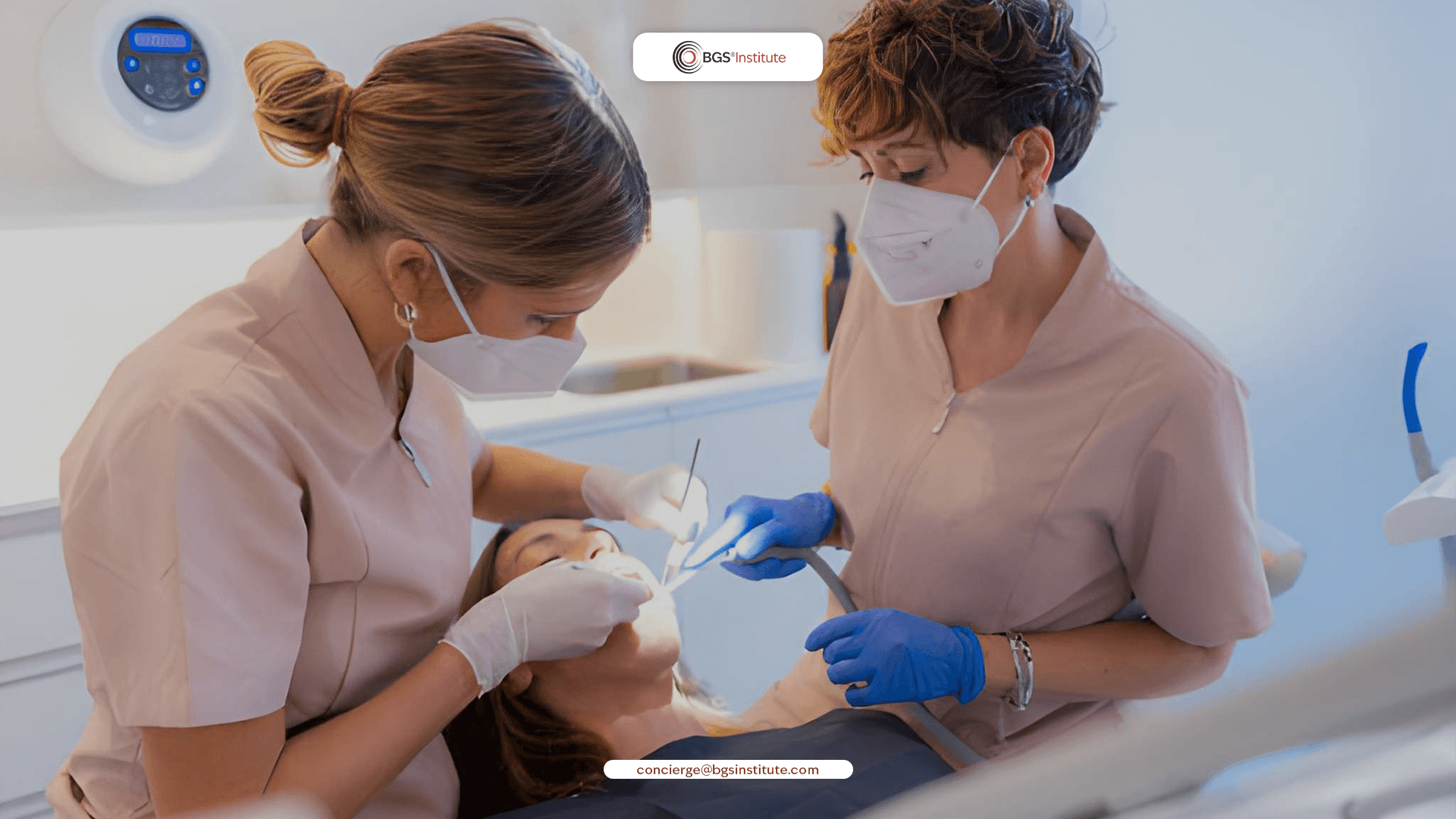
Dentistry is evolving rapidly, but many clinicians still feel stuck between traditional treatment models and the growing expectations of modern patients. Today’s patients are no longer satisfied with simple restorations. They are increasingly looking for care that follows a global standard in biological dentistry. They are asking deeper questions about inflammation, materials, long-term healing, and how oral health connects to the rest of the body.
At the same time, many dentists feel limited by routine procedures. They want better outcomes, more meaningful work, and a clinical approach that goes beyond “drill and fill.” This is where a Biodentistry training program becomes highly valuable.
A modern Biological Dentistry training program is not just education. It is a complete transformation pathway that combines clinical protocols, real-world experience, and practical systems that dentists can immediately apply in their practice.
Why Dentists Are Moving Beyond Traditional Training
Traditional dentistry provides strong foundations in diagnosis and restorative procedures. However, it often focuses on isolated treatment rather than understanding the body as a connected system. Modern patients expect more.
They want:
Safer, biocompatible materials
Better healing outcomes
Clear explanations of long-term health impact
Preventative and root-cause-based care
This shift is driving dentists toward Biological Dentistry, where the focus expands from treating teeth to supporting whole-body health and understanding the oral health importance in biological dentistry. (Source: PubMed). A well-structured Biodentistry training program helps bridge this gap by combining:
Clinical precision
Biological principles
Patient-centered care systems
To learn more about how is oral health linked to overall health go here.
What a Biodentistry Training Program Actually Teaches

The Biodentistry training program combines hands-on clinical experience with Biological Dentistry protocols, allowing practitioners to apply safe material selection, precise techniques, and patient-focused treatment approaches
One of the biggest misconceptions is that Biological Dentistry is only a philosophy. In reality, a high-quality training program is deeply practical and clinically focused. (Sources: Optimal Dental Health).
Dentists learn how to:
Evaluate patients using a whole-body approach
Select biocompatible materials
Plan treatments with long-term healing in mind
Apply regenerative protocols during procedures
This shift toward structured, protocol-based care is exactly what frameworks like Biodentistry 3.0: The Global Standard Transforming Biological Dentistry are designed to address. Rather than leaving Biological Dentistry open to interpretation, it provides a clear system for implementation in real clinical settings.
Key Clinical Techniques Covered
A strong Biodentistry training program introduces advanced protocols such as:
Platelet-Rich Fibrin (PRF)
Used during surgeries to accelerate tissue regeneration and improve post-operative healing, often supported by dental implant healing supplements.
Ozone Therapy
Applied for its antimicrobial properties and ability to support healing in periodontal and surgical treatments.
Cavitation Surgery
Focused on removing chronic infections in the jawbone that may impact systemic health.
Ceramic Implants
A biocompatible alternative to traditional implants, designed to reduce inflammation and improve long-term integration ( Source: PubMed).
The Shift from Tooth Repair to Whole-Body Care
One of the most important transformations inside Biological Dentistry training is the shift in mindset. Instead of asking: “How do I fix this tooth?” Dentists begin asking: “How does this condition affect the patient’s overall health?”
This approach focuses on:
Reducing systemic inflammation
Supporting immune function
Improving recovery outcomes
Minimizing toxic load from materials
As a result, dentists move from being procedure-focused technicians to health-focused clinicians.
What Happens Inside the In-Person Biodentistry Training
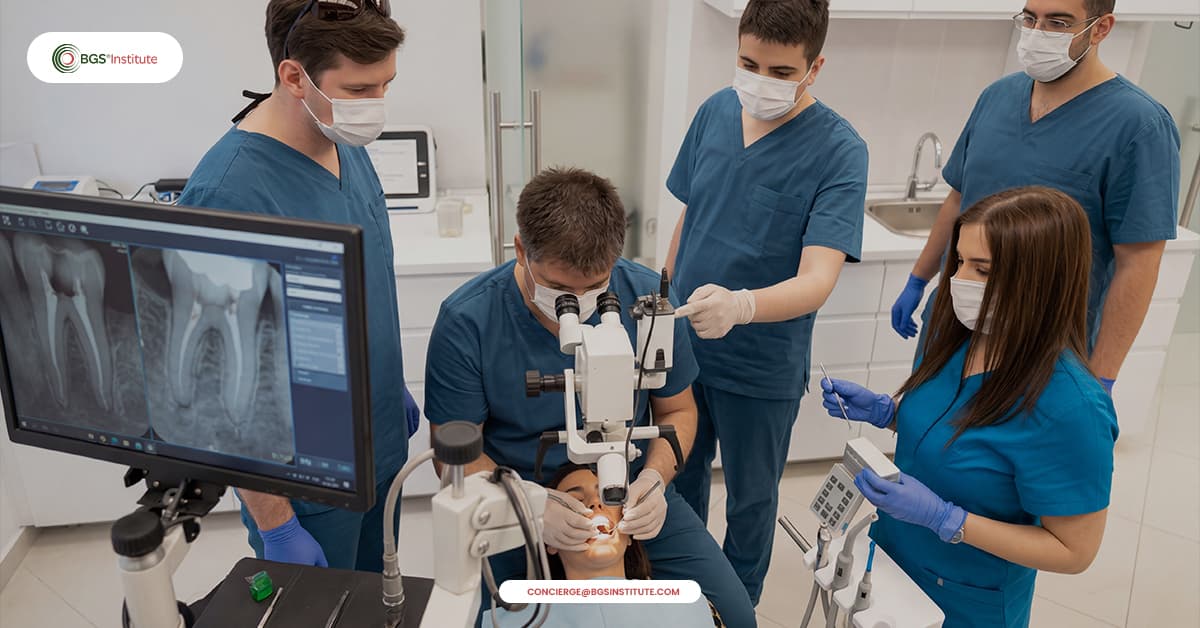
Unlike traditional courses, the in-person Biodentistry training experience is immersive, practical, and highly personalized. Dentists don’t just attend lectures, they step inside a real clinic environment and observe how Biological Dentistry is practiced at the highest level.
During the onsite immersion, participants receive:
Direct 1-on-1 mentorship with experienced clinicians
Live observation of full-mouth regenerative surgeries
Real-time explanation of clinical decisions
Hands-on insights into protocols, tools, and workflows
Immediate guidance on how to implement these systems in their own clinic
As described in the program: Dentists gain hands-on insights into protocols, tools, and real clinical decision-making that can be applied directly in practice. (Source: Dr.Dome Podcast)
Day-by-Day Breakdown of the Onsite Experience
The onsite training is carefully structured to provide a balance between clinical observation, practical understanding, and real-world application. Each day is designed to build on the previous one, allowing dentists to first understand the systems and philosophy, and then see those concepts applied in real surgical cases.
Day 1: Foundation & Clinical Systems
Private goal-setting session
Full clinic walkthrough
Systemic protocol immersion
Exposure to regenerative treatment workflows
Day 2: Live Surgery & Integration
Shadowing real surgical cases
Observing full regenerative procedures
Step-by-step clinical explanation
Post-operative breakdown and integration guidance
This structure ensures dentists not only see procedures but understand the thinking behind every decision.
A Unique Opportunity: Experience Treatment Yourself
One of the most powerful aspects of this training is the opportunity for dentists to step into the role of a patient themselves. Participants can submit their own scans for evaluation, receive a personalized treatment plan, and experience the protocols firsthand. If treatment is recommended, they also have the option to extend their stay and undergo care at a reduced cost.
This creates a unique and highly valuable experience, as dentists are able to personally go through the same treatments they offer in their practice. As a result, they gain a deeper understanding of the patient journey, improve their clinical perspective, and build greater confidence in delivering these protocols.
What Dentists Learn Before Attending the In-Person Training

Before attending the In-person immersion, participants in the Biological Dentistry program learn how to interpret 3D imaging and X-rays to create precise, biologically aligned treatment plan
Before stepping into the clinical environment, dentists first go through a structured online learning phase designed to build a strong foundation in Biodentistry and Biological Dentistry principles. This phase typically includes in-depth masterclass sessions, detailed clinical case breakdowns, live group calls for questions and discussion, and access to a private professional community.
Through this process, dentists gain clarity on core concepts, treatment approaches, and decision-making frameworks before ever entering the clinic. As a result, when they arrive for the in-person training, they are already well-prepared, allowing them to focus on advanced clinical application rather than basic theory (Source: PubMed).
Certifications and Practical Tools You Receive
A complete Biodentistry training program provides more than knowledge — it delivers tangible tools and credentials.
Certifications Include:
Biodentistry 3.0 Level 1
Bone Healing Protocol
Food Design Concept
Practical Resources:
Patient education materials
Clinical protocol sheets
Legal templates for patient communication
Marketing support through professional directories
These tools allow dentists to immediately integrate what they learn into their practice.
Why Patient Preparation Is a Game-Changer
One major difference in Biological Dentistry is the focus on preparation before treatment.
Dentists learn how to:
Assess overall patient health
Support the body before surgery
Plan recovery strategies in advance
This includes:
Nutrition guidance
Lifestyle adjustments
Systemic health evaluation
This approach leads to:
Better healing outcomes
Fewer complications
Higher patient satisfaction
How Dentists Apply This Training in Their Practice
The real value of a Biodentistry training program lies in its practical implementation. After completing the training, dentists are able to shift from routine procedures to offering high-value, comprehensive treatment plans that address the patient’s overall health. Instead of focusing on isolated treatments, they begin working with full-mouth cases, allowing for more strategic and impactful outcomes.
This approach often leads to reduced patient volume while increasing revenue, as treatments become more specialized and results-driven. At the same time, improved communication and a clearer treatment philosophy help build stronger patient trust and increase case acceptance. Ultimately, this creates a practice that is not only more profitable and efficient, but also more meaningful for both the dentist and the patient.
Why Group Training Accelerates Learning
Group-based learning is a powerful component of a Biodentistry training program, as it allows dentists to learn beyond individual experience. Through peer discussions, shared case analysis, and exposure to different clinical perspectives, participants gain a deeper understanding of treatment planning and decision-making.
This collaborative environment not only accelerates learning but also improves clinical confidence by allowing dentists to see how others approach similar challenges. In addition, group training helps build a strong professional network that continues to provide support, insight, and growth opportunities long after the training experience ends.
Learn Directly from Real Clinical Cases
Dentists can also learn directly from Dr. Dome’s clinical insights through his podcast and YouTube content, where he breaks down real surgical cases, explains decision-making processes, and demonstrates how Biological Dentistry protocols are applied in practice.
Through podcasts and video content, clinicians can:
Watch real case breakdowns
Understand surgical decision-making
Learn how protocols are applied in practice
This type of learning bridges the gap between theory and real-world application.
(Source: Dr. Dominik Nischwitz YouTube Channel)
What Makes This Training Different from Standard CE Courses
Most continuing education courses focus on a single topic or technique. A Biodentistry training program is different because it provides a complete system of Philosophy, Diagnostics, Clinical protocols, Patient communication, and Practice implementation. This integrated approach allows dentists to build a consistent and scalable practice model.
Start Your Journey with the Biodentistry Masterclass
In the Biodentistry Masterclass, dentists learn a proven framework to transition into Biological Dentistry, including clinical protocols, patient communication strategies, and high-value treatment planning systems used in modern practices.
Conclusion
A Biodentistry training program is not just about learning new techniques. It is about changing how dentists think, diagnose, and treat patients.
From online education to real clinical immersion, this pathway provides the tools needed to implement Biological Dentistry in a practical, effective, and patient-centered way.
For dentists who want more than routine procedures, this is not just another course. It is a complete transformation toward a more advanced, meaningful, and future-focused practice.
FAQs
1. What is a Biodentistry training program?
A Biodentistry training program is an advanced educational pathway that teaches dentists how to apply Biological Dentistry principles, including regenerative techniques, patient preparation, and whole-body treatment planning.
2. What do dentists learn in Biological Dentistry training?
Dentists learn clinical protocols such as PRF, ozone therapy, cavitation surgery, ceramic implants, and patient-centered treatment planning systems.
3. Is this different from a standard CE course?
Yes. Unlike traditional CE, this program provides a complete system that integrates philosophy, clinical skills, and practice implementation.
4. Who should consider this training?
Dentists who want to move beyond routine procedures and build a health-focused, high-value practice model.
5. Can these techniques be applied immediately?
Yes. The program is designed to provide practical tools and systems that can be implemented directly in clinical practice.