Gut Health and Gum Healing: How to Reduce Inflammation Naturally
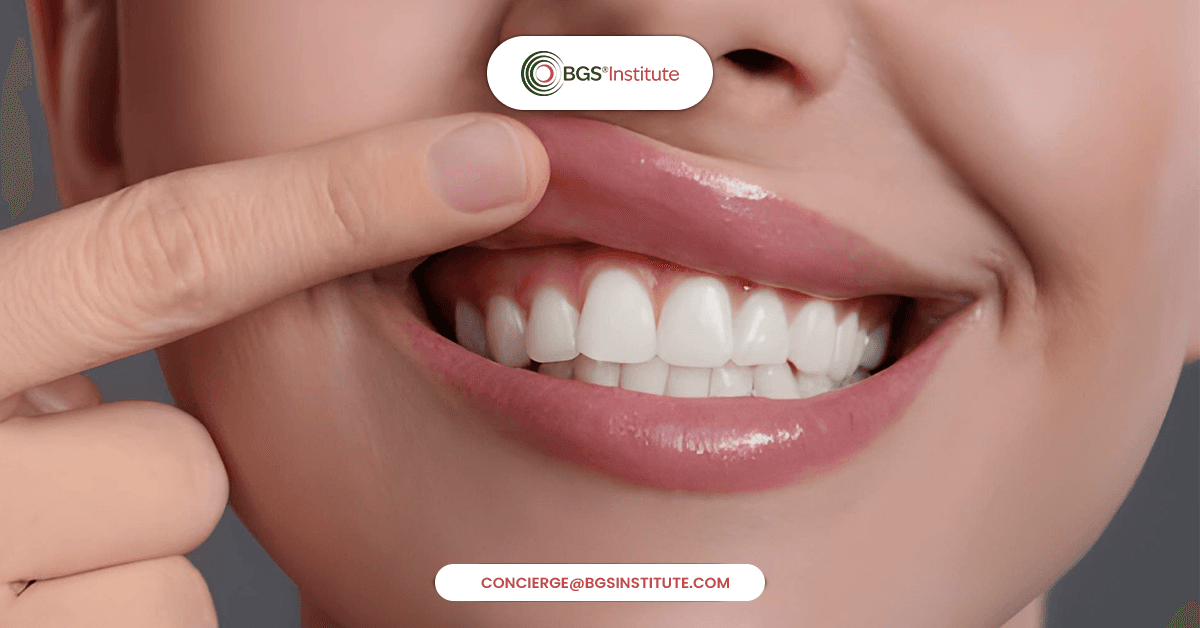
Many people struggle with slow gum healing after dental procedures, even when they follow proper oral care. Even after doing everything right, their gums still do not heal properly. This leads to frustration, discomfort, and concern about complications. Most people believe the problem is only related to their teeth or gums, but this is not always the case.
The root cause may extend beyond the gums themselves. Emerging research highlights the connection between gut function and oral tissue repair, particularly through the regulation of inflammation and immune response. When gut balance is disrupted, these processes may become less efficient, potentially delaying gum healing after dental procedures.
The Connection Between Gut Health and Gum Healing
The connection between gut health and oral healing is increasingly recognized in research. The gut is closely linked to the regulation of inflammation, as suggested by emerging research (Source: National Institutes of Health)
A balanced gut microbiome helps maintain immune stability and supports efficient nutrient utilization, both of which are essential for tissue regeneration. However, when gut health is poor, inflammation may increase in the body and is associated with delayed healing.
This may interfere with cellular repair processes, making gum regeneration less efficient. A balanced microbiome supports immune regulation and efficient tissue repair, while gut imbalance may delay recovery.
To analyze more in depth how is the mouth connected to the rest of the body go here.
Why Some People Experience Slow Gum Healing
After any dental procedure, your body needs to repair damaged tissues and regenerate gum structures. This process depends on several internal factors, not just oral hygiene. These issues are often linked to slow gum healing causes, including inflammation, poor nutrition, and microbiome imbalance.
Traditional dentistry often focuses only on the mouth, using local treatments like rinses or medications. However, this approach may miss a critical factor. Healing is a systemic process influenced by overall health, particularly gut function.
How the Gut Microbiome Affects Inflammation and Gum Healing

A healthy gut microbiome helps control inflammation, improve immunity, and support faster gum healing.
Research from institutions such as the National Institutes of Health suggests that the gut microbiome plays a key role in regulating inflammation and immune response. The gut microbiome consists of trillions of microorganisms that live in your digestive system (Source: National Institutes of Health). These include bacteria, viruses, and fungi that play a key role in digestion, metabolism, and immune function.
A balanced microbiome plays a key role in microbiome and oral health, supporting nutrient absorption and regulating inflammation. When the microbiome is balanced, it supports efficient tissue repair and recovery.
However, when this balance is disturbed, a condition called dysbiosis occurs. This means harmful bacteria outnumber beneficial ones, leading to inflammation, poor digestion, and weakened immunity. This reflects the concept of the oral gut axis, where gut health and oral healing are closely interconnected.
To learn why oral health affects your overall health in Biological Dentistry go here.
Why Inflammation Slows Gum Healing
The link between inflammation and gum healing is critical. Studies published in PubMed suggest that chronic inflammation can interfere with tissue repair and healing processes (Source: National Institute of Health). It badly disrupts cellular repair mechanisms, reducing the body’s ability to regenerate gum tissue and increasing susceptibility to infection.
It spreads through the bloodstream and affects other areas, including the gums. Gum healing becomes slower, and the risk of infection increases. Chronic inflammation can also worsen existing gum disease and make recovery more difficult.
Dr. Dominik Nischwitz, a leading expert in Biological Dentistry, explains that oral health is directly connected to gut health and inflammation, which play a key role in healing. (Source: Dr. Dome Podcast – drdomeofficial.com)
How Gut Health Directly Affects Gum Regeneration
Gum healing depends on the body’s ability to rebuild tissues. This process requires proper absorption of nutrients such as protein, healthy fats, vitamins, and minerals.
If the gut is compromised, nutrient absorption becomes inefficient. Even if you eat healthy food, your body may not use those nutrients effectively.
This can compromise collagen synthesis and cellular repair processes, both of which are essential for effective gum regeneration, along with nutrients like glycine for gum healing after tooth extraction. The connection between gut function and oral recovery is clear. A balanced gut environment supports faster recovery, while microbiome imbalance may delay healing.
The Oral–Gut Microbiome Connection
The mouth and gut are connected through the body’s microbial system. Oral bacteria have been associated with systemic microbial imbalance in some studies (Source: National Institute of Health). That influences gut microbiome composition and inflammatory responses. This reflects the concept of oral systemic health, where conditions in the mouth and gut influence each other.
Common Signs of Gum Disease You Should Not Ignore
Recognizing early signs of gum disease is important for timely treatment and prevention of complications. Common symptoms include bleeding gums, swollen or red gums, persistent bad breath, receding gums, loose teeth, and gum sensitivity. In severe cases, pus may form between the teeth and gums.
These symptoms indicate inflammation and infection, which may be linked to both oral hygiene issues and internal health problems such as gut imbalance.
Nutrition to Support Gut and Gum Health
Dietary patterns influence microbiome composition, which in turn affects inflammation and tissue repair processes. A diet high in sugar and processed foods promotes harmful bacteria, leading to inflammation and plaque formation. On the other hand, a nutrient-rich diet supports beneficial bacteria and improves healing.
Foods that support healing include high-quality protein for tissue repair, healthy fats for cell regeneration, and collagen for strengthening gum structure. Omega-3 fatty acids help reduce inflammation, while fiber-rich foods support gut health.
Fermented foods such as yogurt, kefir, and sauerkraut provide probiotics that improve the balance of gut bacteria and support oral health.
Nutritional Strategy for Faster Gum Healing
To improve both gut and gum health, certain dietary changes are essential. Removing inflammatory foods such as gluten, refined sugar, and dairy can reduce irritation in the gut.
At the same time, adding healing nutrients can accelerate recovery. Protein supports tissue rebuilding, while collagen strengthens gum tissues. Omega-3 fatty acids reduce inflammation, and vitamins like Vitamin C and D support immune function.
This approach, often used in Biological Dentistry, focuses on treating the whole body rather than just the symptoms.
The Role of Probiotics in Healing
Probiotics are beneficial bacteria that help restore balance in the gut microbiome. They improve digestion, enhance nutrient absorption, and strengthen immunity. Some studies suggest that probiotics for gum health may help regulate bacterial balance and reduce inflammation. (Source: National Institute of Health)
Including probiotic-rich foods or supplements in your diet can support both gut and oral health, making them an important part of a dental healing strategy.
Lifestyle Factors That Affect Healing

Lifestyle habits like smoking, stress, and poor oral hygiene can slow gum healing and increase inflammation.
Lifestyle choices have a significant impact on both gut and gum health. Smoking reduces blood flow to the gums and increases the risk of severe gum disease.
Excessive alcohol consumption disrupts the gut microbiome and increases inflammation, slowing down healing. Chronic stress also affects the immune system and can worsen both gut and oral health which also contributes to dentist burnout.
Managing stress, staying hydrated, exercising regularly, and maintaining good oral hygiene are essential for faster recovery and long-term health.
The Link to Systemic Health Conditions
The connection between gut health and gum health goes beyond the mouth. Chronic inflammation caused by poor gut health has been linked to serious conditions such as heart disease, diabetes, and autoimmune disorders.
For example, gum disease has been associated with an increased risk of heart disease due to inflammation affecting blood vessels. Similarly, poor gut health can make it harder to control blood sugar levels in people with diabetes. This highlights the importance of a Biological Dentistry approach to health.
A Real-Life Example of Transformation
.png%3F2026-04-08T00%253A18%253A29.591Z&w=2048&q=75)
Improved gut health and reduced inflammation can lead to faster gum healing and better overall health outcomes.
One patient experiencing slow gum healing also showed signs of chronic inflammation and nutritional imbalance. After following a structured protocol focused on improving gut health including dietary changes, protein intake, and targeted nutritional support, her healing response improved. Her gum recovery became more efficient, and markers of inflammation showed improvement.
It is important to note that this is an individual case, and outcomes may vary. This example highlights how systemic factors such as inflammation and nutrition may influence healing, rather than establishing direct causation.
Why Biological Dentistry Focuses on the Whole Body
Biological Dentistry takes a systems-based approach to oral health. This also helps address common biological dentistry myths about oral and systemic health. Instead of focusing only on local symptoms, it incorporates systemic diagnostics, nutritional protocols, and inflammation management strategies. By evaluating factors such as gut health, immune response, and nutrient status, clinicians can create more targeted treatment plans that support long-term healing and recovery.
Struggling with slow gum healing even after proper dental care?
The solution may lie beyond your mouth. If you want to understand how clinicians address inflammation, nutrition, and healing at a deeper level, structured Biological Dentistry training provides a clear framework. Join the Biological Dentistry Masterclass!
Conclusion
Slow gum healing is not always a dental issue. In many cases, it is a signal that your body is not healing properly from within. Focusing only on oral care can limit results if the root cause, such as poor gut health and chronic inflammation, is not addressed.
Addressing underlying factors such as microbiome balance, nutrient absorption, and systemic inflammation creates a more supportive environment for effective gum healing. The real shift comes when you stop treating symptoms and start addressing the root cause.
FAQ’s
1. Can gut health affect gum healing?
Yes, gut health plays a major role in gum healing. A healthy gut reduces inflammation and improves nutrient absorption, which supports faster tissue repair.
2. Why are my gums healing slowly after extraction?
Slow healing may be caused by chronic inflammation, poor nutrition, or gut imbalance, not just oral hygiene issues.
3. What foods help gum healing?
Foods rich in protein, collagen, Omega-3 fatty acids, fruits, vegetables, and probiotics help support gum healing and reduce inflammation.
4. Can probiotics improve gum health?
Yes, probiotics help balance bacteria in the gut and mouth, reduce inflammation, and support overall oral health.
5. How can I improve both gut and oral health?
You can improve both by eating a balanced diet, reducing sugar intake, maintaining oral hygiene, managing stress, and including probiotic-rich foods in your routine.
6. Can gut health affect gum disease?
Yes, gut health can influence gum disease by regulating inflammation and immune response. An imbalanced microbiome may increase the risk of periodontal issues.
7. How long should gums take to heal after dental procedures?
Healing time varies depending on the procedure and overall health, but most gums typically heal within 1–2 weeks. Delayed healing may indicate underlying inflammation or systemic factors.