Resources
Biological Dentistry Myths: Clinical Evidence Behind 7 Common Misconceptions
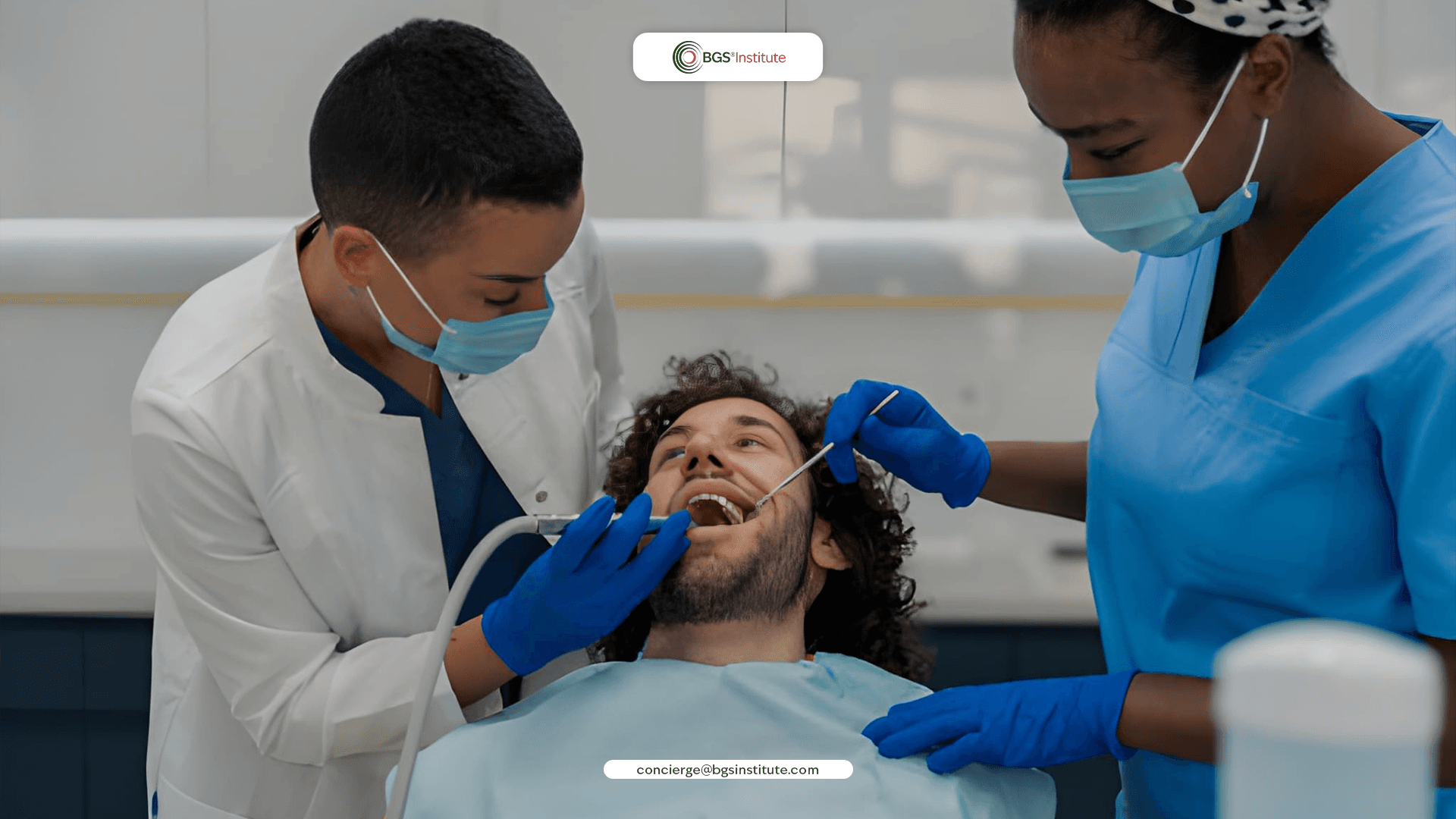
As awareness of Biological Dentistry grows, so do misconceptions about what the approach actually represents. Some myths portray it as unscientific, while others reduce it only to mercury filling removal. In reality, Biological Dentistry focuses on biocompatibility, inflammation awareness, and the connection between oral health and overall health while operating within modern dental standards.
This aligns with the Biodentistry 3.0 global standard approach. For many clinics, this philosophy also supports a patient-centered dental practice model that prioritizes prevention, longer consultations, and individualized treatment planning. This guide reviews seven common Biological Dentistry myths and what current clinical evidence actually supports.
What Is Biological Dentistry?
Biological Dentistry focuses on biocompatibility and the oral systemic connection. Peer reviewed research demonstrates associations between periodontal inflammation and systemic inflammatory markers, reinforcing the importance of reducing inflammatory burden where possible [1].
Material selection based on biocompatibility
Conservative, tooth preserving care
Prevention and longer patient education
Risk based decisions for complex cases
Why Biological Dentistry Myths Continue to Spread
Biological Dentistry myths often arise when complex clinical discussions are simplified for online audiences. Social media platforms favor short, emotionally driven content, while dentistry requires technical context and careful interpretation which can also contribute to decision fatigue and dentist burnout.
Oversimplified Research: Scientific studies are sometimes shared without explaining their limitations or proper clinical context, which can lead to misunderstandings.
Social Media Amplification: Short, emotionally engaging content spreads faster online, even when it lacks scientific nuance.
Lack of Standardized Definitions: Patients may assume all Biological Dentists follow identical protocols, though approaches can vary significantly between practitioners.
Different Risk Philosophies: Dentists may interpret evolving research differently, especially in areas where long-term exposure data is still developing.
This variation in interpretation and implementation is precisely why the field requires a clear, structured global standard, one that brings consistency, clinical clarity, and a shared framework for both practitioners and patients. See more about the standardization process of Biological Dentistry here.
The 7 Most Common Biological Dentistry Myths
Biological Dentistry has gained visibility in recent years, but increased attention often brings misunderstandings. Some concerns are based on partial information, while others stem from online exaggeration. Below, we review the most common myths through a clinical and evidence based lens.

Understanding common Biological Dentistry myths helps separate evidence based practice from online misconceptions.
Myth 1: Biological Dentistry Is Pseudoscience
Biological Dentistry is practiced by licensed dentists. It uses the same core foundations as modern dentistry, including diagnostics, treatment planning, and restorative care. The difference is the priority system behind decisions.
Many biological practices focus heavily on inflammation, immune response, material reactivity, and nutritional support such as magnesium for oral health support. Biological Dentistry operates within modern clinical standards while placing additional emphasis on biocompatibility, inflammation awareness, and patient-specific risk factors. The goal is to reduce biological stress where possible without departing from established clinical principles.
Not all claims associated with the broader “holistic” label are supported equally by evidence.
That is why a responsible Biological Dentist should separate: well supported science (like inflammation and periodontal links), from emerging or debated topics (like some cavitation claims)
This is how you keep the approach credible and evidence aware.
Myth 2: Biological Dentistry Is Only About Mercury Filling Removal
This Biological Dentistry myth often oversimplifies a complex regulatory discussion. Mercury and amalgam get the most attention, but Biological Dentistry goes far beyond that. The mercury debate is best handled with balance, not fear.
The ADA states it supports dental amalgam as a safe and effective option for most patients when dentist and patient agree it is the best choice [2]. The FDA also recommends certain higher risk groups avoid amalgam when possible and appropriate [3]. So the real clinical takeaway is:
For many patients, amalgam is still considered acceptable by mainstream guidance
For higher risk groups, risk based avoidance may be recommended
Biological clinics may apply stricter exposure minimizing protocols
This is about risk stratification, not “one rule for everyone.”
Myth 3: Mercury Removal Is Always Dangerous and Unnecessary
This myth typically arises from two polarized positions: “never remove amalgam” versus “remove it for everyone.” In reality, clinical decision making is rarely that absolute. The misconception is often amplified by emotionally driven online debates that overlook patient specific context.
Amalgam removal can temporarily increase mercury exposure if performed without proper safety measures. For this reason, many biological protocols emphasize exposure control through isolation techniques, high volume suction, air filtration, and protective systems. The objective is to minimize unnecessary exposure for both patients and clinical staff during the procedure.
At the same time, mainstream organizations do not recommend routine amalgam removal for all patients. Decisions should be based on individual clinical factors, overall risk profile, and informed consent. In some cases, nutritional strategies like glycine for gum healing after tooth extraction may support post-procedure recovery.
Myth 4: Root Canals Always Cause Systemic Disease
This is one of the most frequently repeated Biological Dentistry myths online. Root canals are one of the most emotional topics online, so your tone must be calm and evidence based.
The American Association of Endodontists states there is no valid scientific evidence linking root canal treatment to systemic health problems, and that modern endodontics is predictable and effective [4]. A balanced way to explain it is:
Poorly done dentistry can fail (like any procedure)
Technique, cleaning, sealing, and restoration quality matter
Properly done root canals are widely considered safe and successful
Biological Dentists may still evaluate certain complex chronic cases more carefully, but a credible approach avoids blanket claims like “root canals are always toxic.”
Myth 5: Biological Dentistry Avoids Implants
Biological Dentistry does not reject implants. It places more attention on material choice, inflammation risk, and patient specific factors. In some cases, dental implant healing supplements may also be considered to support recovery outcomes.
Many biological clinics discuss titanium vs ceramic implants because patients may have preferences about metals, immune reactivity, or biocompatibility. The correct messaging is not “one is always better.” It is: material selection should match the patient and the case.
This myth is easy to correct with one clear point: Biological dentistry often supports implants, but it evaluates them through a biocompatibility lens.
Myth 6: Biological Dentistry Is Too Alternative to Be Modern
Many biological practices use modern technology. The approach is often conservative, but not outdated. CBCT and digital diagnostics are often discussed because they provide 3D clinical information that 2D imaging cannot [5]. The key is not to overpromise. The accurate positioning is: CBCT can help in complex cases and surgical planning when clinically appropriate.
Some clinics also use adjunct tools like ozone, lasers, or photobiomodulation in dentistry. These are not universal standards of care, and a credible article should present them as optional tools, not guaranteed results. The strongest message here is simple: Biological Dentistry often blends modern technology with conservative planning.
Myth 7: All Biological Dentists Are the Same
The terms “biological” and similar other descriptors are not regulated uniformly across jurisdictions. As a result, standards of quality, clinical protocols, and practitioner training may vary. This variability underscores the importance of formal professional education. Because terminology is not consistently regulated, many dentists pursue structured Biological Dentistry certification and formal Biological Dentist training programs to support clinical consistency and evidence-aligned protocols.
A good clinic does not rely only on branding. It relies on protocols, continuing education, and transparent case planning. Patients should feel clear about what the dentist actually does, and why.
Learn how Biodentistry is building the Biological Dentistry Global Standard here.
Is Biological Dentistry Legitimate or Controversial?
Differences in interpretation often come from varying risk thresholds rather than conflicting science. Some practitioners apply a precaution-based approach, especially in areas where long-term exposure data is still evolving. Others rely more closely on established clinical guidelines and consensus recommendations. These differences usually reflect risk tolerance rather than a fundamental scientific disagreement.

Structured Biological Dentistry certification programs focus on oral systemic science, material selection, and protocol driven training.
If the blog is dentist facing, you should include a clear pathway. This also improves SEO because it matches high intent searches. Many dentists begin by taking a Biological Dentistry course that introduces oral–systemic concepts, materials science, and risk-based planning. For some practices, this training also aligns well with a fee-for-service dental model focused on longer consultations and prevention-oriented care. A typical pathway includes:
1. Learning oral–systemic fundamentals and inflammation science
2. Improving material selection and risk based planning
3. Building protocols for complex cases (where appropriate)
4. Completing a structured Biological Dentistry certification program
5. Continuing with advanced Biological Dentist training and mentorship
This is what turns “interest” into a repeatable clinical model instead of random add ons.
How to Become a Biological Dentist
Dentists searching how to become a Biological Dentist usually want a clear roadmap. Keep it simple and practical. This is where training becomes part of practice transformation, not just education.
To learn more about Biodentistry 3.0 by Dr. Dome go here.
Build oral systemic knowledge and prevention first thinking
Improve diagnostics and case selection
Learn biocompatible material planning
Take a structured Biological Dentistry course or certification program
Upgrade patient communication and consult systems
Apply protocols consistently and document outcomes
Final Perspective on Biological Dentistry Myths
Biological Dentistry myths often develop when complex clinical discussions are reduced to oversimplified online narratives. When evaluated through current research and professional guidelines, most concerns reflect differences in risk philosopy rather than a rejection of science. A balanced, evidence aware approach strengthens both patient trust and professional credibility.
While patients encounter Biological Dentistry myths online, dentists evaluating this model must also navigate inconsistent information. Structured education helps ensure the approach remains clinically grounded, evidence aware, and protocol driven.
Start Your Biological Dentistry Training
Begin with the Masterclass to understand the clinical framework, risk philosophy, and structured pathway behind Biological Dentistry certification.
FAQs
1) Is Biological Dentistry evidence based?
Many aspects are evidence-aligned, particularly the oral–systemic connection and biocompatible material selection. Some areas are still evolving, which is why strong clinical approaches distinguish between established science and emerging concepts.
2) Is dental amalgam safe?
The ADA considers amalgam safe and effective for most patients, while the FDA recommends that certain higher-risk groups limit exposure when possible.
From a Biological Dentistry perspective, mercury-containing materials are approached with caution due to their potential systemic impact, and alternatives are often considered within a patient-specific, health-centered framework.
3) Do root canals cause systemic disease?
From a Biological Dentistry perspective, they are often considered a compromise or short-term solution, as complete bacterial elimination may not be achieved, so each case should be evaluated individually within the patient’s overall health context.
4) Do Biological Dentists avoid implants?
No. Many biological clinics place implants and focus on material choice and patient risk factors. The goal is biocompatibility first decision making, not implant avoidance.
5) What is Biological Dentistry certification?
It refers to structured training that provides a clear, protocol-based framework covering oral–systemic concepts, biocompatible materials, clinical protocols, and patient communication. Dr. Dominik Nischwitz’s Biodentistry 3.0 Certification offers this structured approach as a global standard.
References
[1] Hajishengallis G, Chavakis T. Local and systemic mechanisms linking periodontal disease and inflammatory comorbidities. Nature Reviews Immunology (2021).
https://www.nature.com/articles/s41577-020-00488-6
[2] American Dental Association. ADA Statement on Use of Dental Amalgam in the United States.
Available at: https://www.ada.org/about/press-releases/ada-statement-on-use-of-dental-amalgam-in-the-us
[3] U.S. Food and Drug Administration (FDA). FDA Issues Recommendations for Certain High-Risk Groups Regarding Mercury-Containing Dental Amalgam.
[4] American Association of Endodontists (AAE). Root Canal Safety: Endodontic Treatment and Systemic Health.
Available at: https://www.aae.org/specialty/clinical-resources/root-canal-safety/
[5] Bromberg N, Brizuela M. Dental Cone Beam Computed Tomography. StatPearls Publishing, NCBI Bookshelf.
Available at: https://www.ncbi.nlm.nih.gov/books/NBK592390/