Resources
Photobiomodulation in Dentistry: Clinical Benefits, Evidence, Safety, and Training
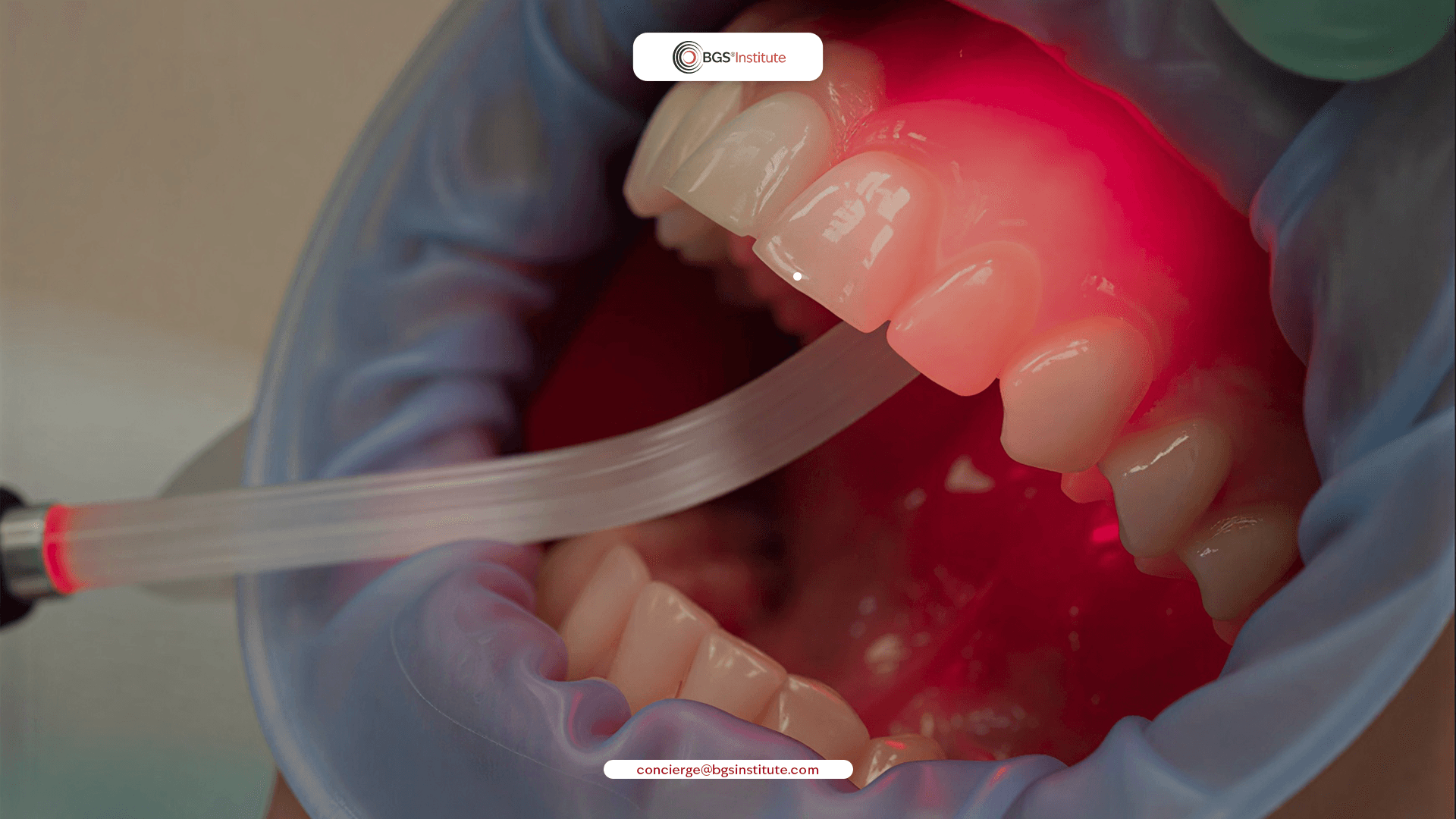
Photobiomodulation dentistry is gaining attention because patients want care that feels gentle and heals faster. In recent years, patients have shown increasing interest in non-invasive approaches that support recovery and reduce medication burden. That change is pushing clinics to add non-invasive support tools that improve comfort and recovery.
PBM is widely discussed as an adjunctive modality that uses specific light parameters to modulate tissue responses without thermal tissue removal. It also fits well with Biological Dentistry, where longer consults, prevention, and whole-body thinking matter. If you run a fee-for-service dental model, PBM can become a clear value add when you explain it with honesty and evidence.
This guide explains what PBM is, how it works, where the evidence is strongest, what safety screening looks like, and what training a clinic needs to use it responsibly.
What Is Photobiomodulation in Dentistry?
Photobiomodulation (PBM) is a non-thermal light therapy used to support healing and pain control. Many people still call it low-level laser therapy dental (LLLT), but PBM is now the preferred scientific term. PBM uses specific wavelengths and doses, usually red or near-infrared light, to trigger biological changes inside cells.
The purpose is not to cut tissue; rather, it is to support cellular repair, reduce inflammation, and lower pain after procedures or during flare-ups. PBM can be used before, during, or after dental care, based on the goal and the target tissue.
PBM is dose-sensitive, which is why the “therapeutic window” matters. Low dose can lead to weak outcomes, and higher dose can reduce benefits or shift the response toward inhibition. This dose challenge is a major reason why studies can look inconsistent when protocols differ.
How Photobiomodulation Therapy Works in Dentistry

Light therapy in dentistry works by stimulating cellular energy production and supporting tissue repair.
A laser produces a focused beam of light at a specific wavelength. When light reaches tissue, it can be reflected, scattered, transmitted, or absorbed. For laser photobiomodulation therapy, absorption is the key step because it triggers the biological response.
Inside cells, PBM is often linked to mitochondrial activity, especially a target called cytochrome c oxidase. When the cell absorbs light, ATP production can increase, and the cell has more energy for repair work. PBM also affects signaling pathways that can influence oxidative stress and blood flow responses.
In dentistry, this matters because healing is not only about the gum surface. Healing includes circulation, immune signaling, nerve signaling, and tissue remodeling. PBM aims to support these systems without heat damage or tissue destruction.
PBM vs Surgical Lasers: A Clear Difference
Many clinics and blogs mix “laser dentistry” and PBM, but they are not the same thing. Surgical lasers are used to cut, coagulate, or ablate tissue, which means they intentionally change tissue structure. PBM is used below the cutting threshold and is designed to be non-destructive.
PBM can be used alongside surgical laser dentistry, but it has a different goal. A simple patient explanation is: surgical lasers remove tissue, PBM helps tissue recover. This difference matters for safety, trust, and compliance messaging.
If you position your clinic as Biological Dentistry or holistic care, this distinction becomes even more important. Patients often fear heat damage or “burning,” so you must clearly explain that PBM is non-thermal and supportive, not destructive.
PBM vs Photodynamic Therapy: The Antimicrobial Confusion
PBM is mainly used for healing support and pain modulation. Photodynamic therapy (PDT) is different because it uses light plus a photosensitizer to target microbes. If you claim PBM “kills bacteria” like PDT, you can lose trust and create compliance problems.
A safer and clearer way to write it is this: PBM supports healing and inflammation control. PDT is designed for antimicrobial action when used with the correct dye and protocol. Keeping these terms separate helps your clinic sound scientific, not promotional.
This also helps with sensitive topics like root canal toxicity and chronic inflammation concerns. You can discuss infection control, but you must match claims to the correct therapy type and evidence base.
What the Evidence Supports Most in Dentistry
Photobiomodulation dentistry has the strongest discussion around pain control, swelling reduction, soft tissue healing, and supportive recovery after procedures. Multiple studies report positive findings; however, outcomes vary due to heterogeneity in dosing parameters and protocol design. That is not a weakness of the concept, it is a protocol and measurement problem.
A 2025 narrative review by Zachar et al. in the Journal of Dentistry examined methodological challenges in evaluating PBM analgesia, including variability in dosing parameters, placebo effects, and outcome measurement tools. It highlights wide variation in devices (laser vs LED), dosing, delivery method, and target site. It also highlights issues like placebo effects, non-responders, and inconsistent pain measurement tools.
This is why the best positioning is evidence-based and honest: PBM is promising, but it is technique-dependent and dose-dependent. When a clinic uses clear protocols and measures outcomes consistently, PBM becomes easier to deliver and easier to explain.
As with many adjunctive modalities, protocol standardization and transparent reporting remain essential for strengthening the overall evidence base. Photobiomodulation in dentistry was historically referred to as low-level laser therapy dental applications, often abbreviated as LLLT.
Post-Op Pain, Swelling, and Trismus: Where PBM Often Fits
PBM for post-operative pain and swelling is one of the most studied applications in oral surgery recovery. It is often used after extractions and oral surgery because patients care most about pain, swelling, and jaw stiffness. In third molar recovery, randomized trials and reviews frequently evaluate these outcomes because they are easy to measure and meaningful to patients.
A 2025 randomized controlled trial published in BMC Oral Health evaluated PBM after lower third molar surgery and reported reductions in pain and swelling at specific time points. Studies like this support the idea that PBM can be a useful adjunct in post-op support when protocols are appropriate. While individual trials report improvements, some systematic reviews rate the certainty of evidence as low due to protocol heterogeneity.
The best way to communicate this is simple: PBM is an add-on that can improve comfort and recovery for some patients. It does not replace clinical judgment, post-op instructions, or risk control. It supports recovery when it is used correctly and consistently.
Oral Mucositis: The Strongest and Most Organized PBM Use Case
If you want the strongest credibility area for PBM in oral care, oral mucositis is usually it. Oral mucositis is a severe and painful condition seen in many cancer patients during chemotherapy and radiotherapy. It can disrupt eating, speaking, and oral hygiene, and it can delay cancer treatment.
International MASCC/ISOO guidelines recommend PBM for prevention of oral mucositis in specific oncology populations when appropriate protocols are followed. PBM oral mucositis prevention protocols are among the most standardized applications in medical and dental literature.
For a dental clinic, this matters because it shows PBM is not only “wellness marketing.” It is studied in serious medical settings with clear outcomes. If your content mentions immune health and inflammation, mucositis evidence helps you stay scientific and grounded.
Implant Healing and Bone Support: What You Can Say Responsibly
Many dentists explore PBM because bone healing is difficult to optimize, especially in medically complex patients. Bone remodeling depends on cellular energy, blood flow, inflammation control, and the balance between bone-forming and bone-resorbing activity. PBM is studied for its ability to support that repair environment.
Some studies have explored PBM implant stability outcomes, although results depend heavily on protocol and patient factors. Some clinical studies report improvements in implant stability measures at specific follow-up points, but findings vary by protocol and patient factors. These findings support cautious interpretation rather than generalized outcome claims.
The most responsible wording is: PBM may support early healing and comfort, and it may support stability in some cases. Outcomes still depend on surgery, patient health, smoking status, diabetes control, hygiene, and follow-up compliance. PBM is one layer inside a complete implant protocol, not a replacement for core fundamentals.
Pain Relief and Analgesia: What PBM Can and Cannot Do
PBM can reduce pain, but PBM is not anesthesia. Analgesia means pain is reduced while touch and pressure may remain. Anesthesia is full numbness, usually created by chemical nerve blockade. Confusing these terms leads to wrong patient expectations.
PBM may help by modulating nerve activity and inflammatory mediators. The 2025 Journal of Dentistry review explains that evaluation is complicated by placebo effects, conditioning, non-responders, and differences between soft tissue and hard tissue targets.
So the patient's message should stay clear: PBM can improve comfort and reduce soreness for many indications, but it does not replace local anesthesia for invasive dental work. It supports recovery and pain control, and it works best when a clinic uses correct dosing and correct technique.
Why PBM Fits Biological Dentistry and Patient-Centered Care

Photobiomodulation supports gentle, patient-centered dentistry by reducing inflammation and enhancing tissue recovery.
Biological Dentistry often focuses on whole body inflammation, immune resilience, and biocompatible recovery. PBM fits this direction because it is non invasive and does not rely on medication to create its primary effect. For the right patient, it is a supportive option that aligns with conservative healing principles.
PBM can support tissue repair pathways, and it can be used as part of a prevention and recovery plan. A key point is that PBM works best inside structured care, not as random “light exposure.” The American Dental Association published Technical Report No. 189 (2023), which reviews photobiomodulation in oral health and outlines clinical considerations and documentation guidance.
If your clinic offers longer consults and deeper screening, PBM becomes easier to position. This kind of structured, patient centered workflow may also reduce decision fatigue associated with dentist burnout. It feels consistent with a patient centered model where comfort, recovery, and whole body risk reduction matter. PBM therapy dentistry fits well within patient centered and biological models of care because it supports healing without adding medication burden.
IV Laser Therapy in Dentistry: How to Mention It Safely
People search “IV laser therapy dentistry” because it sounds advanced and systemic. Intravenous laser blood irradiation is not the same as standard dental PBM protocols, and it brings extra evidence and regulatory complexity. If you mention it, keep it contextual and cautious.
Regulations for laser products are heavily focused on safety classification, labeling, and performance standards. In the United States, FDA guidance points to laser product standards and compliance expectations, so clinics must be careful about claims and device use. Device classification and permitted indications may vary by jurisdiction, so clinicians should verify regulatory status before implementation.
For a Biological Dentistry audience, the safest approach is to focus on well-studied intraoral PBM use cases first. If you discuss IV laser, frame it as an emerging area that requires careful evidence review, clear indications, and strict regulatory compliance. This protects your credibility and reduces overpromising.
PBM Safety Screening and Contraindications in Dentistry
PBM is often described as non-invasive and non-thermal, but it still needs screening and documentation. You should review photosensitive medications, systemic healing risks, and any red-flag medical history. You should also consider that pigmentation, tissue thickness, and target depth can influence light penetration and dosing.
Dose sensitivity is not a small detail. The analgesia review highlights how inconsistent parameters and incomplete reporting can lead to inconsistent outcomes. This is why a clinic must track wavelength, power, time, spot size, and total dose.
You also need eye protection and a simple safety workflow every time. Even low-level devices require professional standards. If you position PBM as safe, you must also show that your process is disciplined and documented.
Documentation and PBM Parameters in Dentistry
Photobiomodulation outcomes are dose-dependent and technique-sensitive. Proper documentation is essential for consistency, reproducibility, and medico-legal protection.
Key parameters that should be recorded in PBM protocol dentistry include:
Wavelength (nm)
Power output (mW)
Energy delivered (Joules or J/cm²)
Spot size and treatment area
Exposure time per point
Contact or non-contact technique
Number and frequency of sessions
Target tissue depth and indication
Incomplete parameter reporting is one of the main reasons PBM research shows variability in outcomes. Clear documentation improves both clinical reliability and compliance positioning.
Training Path: How Dentists Can Use PBM Responsibly
If you want PBM to be a real clinical service, training is not optional. PBM success depends on correct parameters, correct delivery, and correct target selection. Poor technique creates poor outcomes, and then PBM looks unreliable.
The 2025 narrative review includes “user training” as a key factor because PBM is dose-dependent and technique-dependent. That fits what clinics see in real life: distance, angle, movement, and timing change outcomes. Clear PBM protocol dentistry guidelines, including wavelength, dose, and exposure time, are essential for consistent clinical outcomes.
This is also where the broader conversation around Biological Dentistry training becomes important. As more dentists look to integrate tools like PBM, the need for structured, protocol-based education becomes clear. Frameworks such as Biodentistry 3.0: The Global Standard Transforming Biological Dentistry outline how to move from isolated techniques to a cohesive clinical system.
At the same time, without a unified approach, variability in training and implementation can lead to inconsistent results across clinics. This is why the conversation is increasingly shifting toward the need for clarity and standardization within the field, as explored in Why Biological Dentistry Needs a Global Standard.
How to Add PBM to a Fee for Service Biological Practice
If your clinic is building a fee for service dental model, PBM can fit naturally when you explain value clearly. For many clinicians, this shift also connects with questions around Biological Dentist salary and premium practice economics. PBM works best when it is part of a structured pathway: pre op screening, post op recovery plan, and documented outcomes.
In a patient centered dental practice, PBM can support longer consults and better communication. You can explain it as comfort support, inflammation modulation support, and healing support, without making extreme promises. This type of messaging aligns well with rising consumer concerns like heavy metals, chronic inflammation, and immune resilience.
The most important strategy is consistency. Use the same dosing logic, the same documentation, and the same patient education language. That is how PBM becomes a reliable clinical tool instead of a vague “laser add on.”
Because PBM outcomes are dose and technique dependent, clinics benefit from standardized protocols, documentation systems, safety screening workflows, and clear patient communication. Structured training helps reduce variability, improve consistency, and support compliant, evidence based positioning.
Integrate Photobiomodulation Into a Structured Biological Practice
Learn the protocols, safety standards, documentation systems, and patient communication frameworks required to implement PBM responsibly and effectively within a biological, fee-for-service model.
Register for the Biological Dentistry Masterclass
FAQ
Is photobiomodulation dentistry evidence-based?
Yes. There is a large body of peer-reviewed research, but outcomes depend on protocol quality. Dose, wavelength, target site, and technique strongly influence results. Reviews also highlight major study variability, which is why standardization matters.
Can PBM replace painkillers after dental surgery?
PBM can reduce pain and swelling for some patients, but it is usually an adjunct. It does not replace clinical judgment or standard post-op care when needed. Post-op results can vary by procedure and protocol.
Is PBM the same as surgical laser dentistry?
No. Surgical lasers cut or ablate tissue. PBM is used below the cutting threshold and is intended to support healing and pain control. This difference is important for patient understanding and safe positioning.
Is IV laser therapy (context) the same as dental PBM?
No. Intravenous laser approaches are different from standard intraoral PBM applications and require separate evidence review and stricter regulatory awareness. Clinics should be careful with claims and compliance.
Do dentists need certification to offer PBM?
You need training and clinical competency. Formal pathways vary by device and location, but education on dosing, safety, documentation, and clinical targets is essential. The literature also calls out training as a major factor for reliable outcomes.