Resources
Why More Dentists Are Turning to Biological Dentistry Training
More dentists are exploring Biological Dentistry training because dentistry itself is being pushed into a wider conversation. Patients still need fillings, implants, periodontal care, and restorative treatment, but they now ask different questions before they say yes to care.
They want to know what materials will enter their body, how inflammation affects healing, why oral disease connects with systemic health, and whether a dentist can explain treatment beyond the single tooth. This shift creates pressure for dentists who were trained in strong clinical repair but not always in whole-body case communication.
The BGS Masterclass responds to that gap by giving dentists a practical foundation before deeper study, clinical implementation, or future certification.
Why Dental Education Is Changing

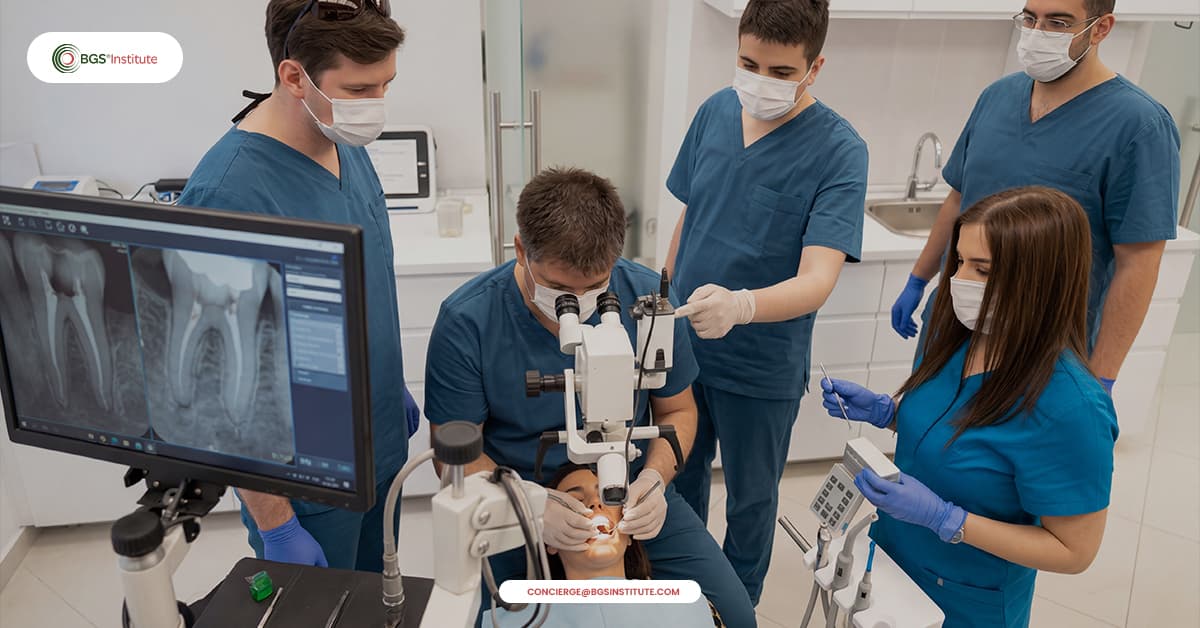
Modern patients ask deeper questions about materials, healing, and whole body health before choosing dental care.
Dental education is changing because clinical skill alone no longer covers the full patient conversation. Dentists still need strong technical training, but they also need language for prevention, risk explanation, material selection, and long-term health planning.
A dentist may know how to restore a tooth, but patients increasingly want to understand why one material is preferred, how inflammation may affect recovery, and what role prevention can play before disease becomes more advanced. These conversations require more time and a broader clinical language.
This is one reason Biological Dentistry education is gaining attention. It helps dentists connect clinical treatment with patient education, material awareness, prevention, and whole-body context without turning every appointment into guesswork.
Why Patients Are Asking More Advanced Dental Questions
Patients are asking better questions because health information is easier to find than ever before. Many people research dental materials, implants, gum disease, root canals, airway health, chronic inflammation, and nutrition before they contact a dental office.
The wellness movement has also changed patient expectations. People who already think carefully about food, supplements, sleep, toxins, and chronic disease often want the same level of detail from their dentist. They do not always want a faster appointment. They want a clearer explanation.
This does not mean every online concern is accurate. It means dentists need enough education to respond with balance. Biological Dentistry training can help dentists separate useful questions from misinformation and guide patients with calm, evidence-aware communication.
From Tooth Repair to Oral-Systemic Case Thinking
Standard dental training gives dentists the foundation to diagnose and treat oral disease. Biological Dentistry adds a wider case lens by connecting oral findings with material tolerance, inflammation, healing capacity, nutrition, airway, and patient history.
This is where oral-systemic dentistry becomes important. A patient may need a filling, implant, or periodontal plan, but the dentist also has to consider why disease developed, how the patient may heal, and which materials fit the case best. This does not replace conventional diagnosis. It expands the planning conversation so treatment feels more connected, preventive, and patient-specific.
Why Biological Dentistry Needs a Global Standard
Biological Dentistry is growing, but the education around it can feel fragmented. Dentists may find one course on ceramic implants, another on ozone therapy, another on nutrition, and another on mercury-safe dentistry. Without a clear framework, these topics can feel disconnected.
A global standard matters because patients and dentists both need consistency. Dentists need to know what belongs inside responsible biological dental care. Patients need to know that the dentist’s approach comes from structured learning, not random wellness claims.
This is one reason BGS exists. The goal is to bring Biological Dentistry into a more unified learning model, where safer protocols, oral-systemic thinking, patient communication, and clinical decision-making work together.
What Dentists Learn in the BGS Masterclass
The BGS Masterclass gives dentists a practical foundation before they move into deeper Biological Dentistry education. It helps them understand the mindset, vocabulary, and clinical structure behind the field.
The Masterclass can support dentists in areas such as oral-systemic health, safer material conversations, mercury-safe principles, ceramic implant planning, inflammation-aware care, patient communication, and practice positioning. The value is not only learning separate topics. The value is learning how these topics fit together inside a modern dental practice.
This makes it different from random online education. Instead of leaving dentists with scattered ideas, the BGS Masterclass gives them a more organized starting point before future certification, mentorship, or advanced clinical training.
How Biological Dentistry Improves Patient Communication
Patient communication becomes stronger when the dentist can explain the reason behind each clinical choice. In Biological Dentistry, this often means connecting a procedure to material selection, inflammation control, healing expectations, and long-term oral-systemic health.
This matters because oral-systemic connections must be explained carefully. The American Dental Association notes that periodontal disease has been associated with conditions such as heart disease and diabetes, while direct causality remains difficult to prove. This balanced framing helps dentists educate patients without overstating the evidence. ( Source: American Dental Association: Oral-Systematic Health)
A dentist trained in biological dental care can answer patient concerns with more confidence. They can explain what is known, what is still being studied, and how the treatment plan supports the patient’s dental and overall health goals.
Why Safer Protocols Matter in Modern Dental Practice

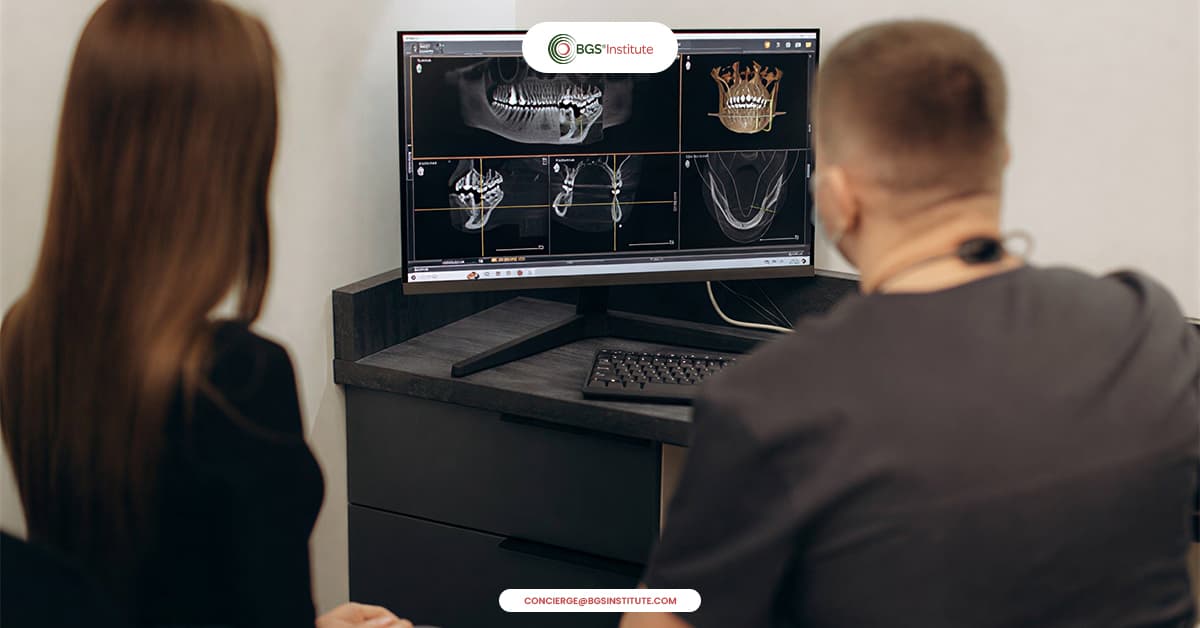
Biological Dentistry training helps dentists review cases with a stronger focus on safer protocols, planning, and patient communication.
Dentists are also seeking holistic dental training because some procedures require more than technical skill alone. They require a clear safety rationale that the dental team can follow and explain.
SMART amalgam removal is one example. A review article by Dana G. Colson, “A Safe Protocol for Amalgam Removal,” discusses safety measures used during mercury filling replacement. The point for dentists is not only knowing the steps. It is understanding why the steps matter and how to communicate them responsibly.
The same principle applies to ceramic implant planning, ozone therapy, periodontal care, PRF, and nutrition-based healing support. Each topic should connect back to diagnosis, patient suitability, clinical judgment, and informed consent.
Where Masterclass Ends and Certification Begins
After a dentist understands the basic direction of Biodentistry, the next question is usually about formal training. Certification can help organize that next step by giving dentists a more defined study path, professional requirements, and a clearer sense of clinical standards.
A Biological Dentistry certification may include formal education, required study, exams, or membership based requirements depending on the organization. The IABDM notes that dentists must be members in good standing to become certified Biological Dentists.
Certification can also make the learning path more accountable. It gives dentists a way to move from general interest into deeper study, clearer standards, and more confident patient education.
Still, many dentists need a starting point before entering a full certification path. A Biological Dentistry course or masterclass can make that first step easier. It helps dentists decide whether this field fits their clinical goals, practice model, and patient base.
Why the Fee-for-Service Model Often Fits Biological Dentistry
Biological Dentistry often requires more time than a rushed appointment model allows. A dentist may need to review health history, explain material options, discuss prevention, answer patient concerns, and plan recovery support before treatment begins.
That longer process can be difficult inside a system built mainly around speed and procedure volume. A systematic review on oral health payment models, “Systematic Literature Review of Capitation and Fee-for-Service Payment Models for Oral Health Services,” explains how payment structures can shape care delivery and service design.
This does not mean one model works for every practice. It means the business structure should support the type of care being promised. When education, appointment length, and practice model align, patients are more likely to understand the value of the care they receive.
What This Means for the Future of Biological Dentistry

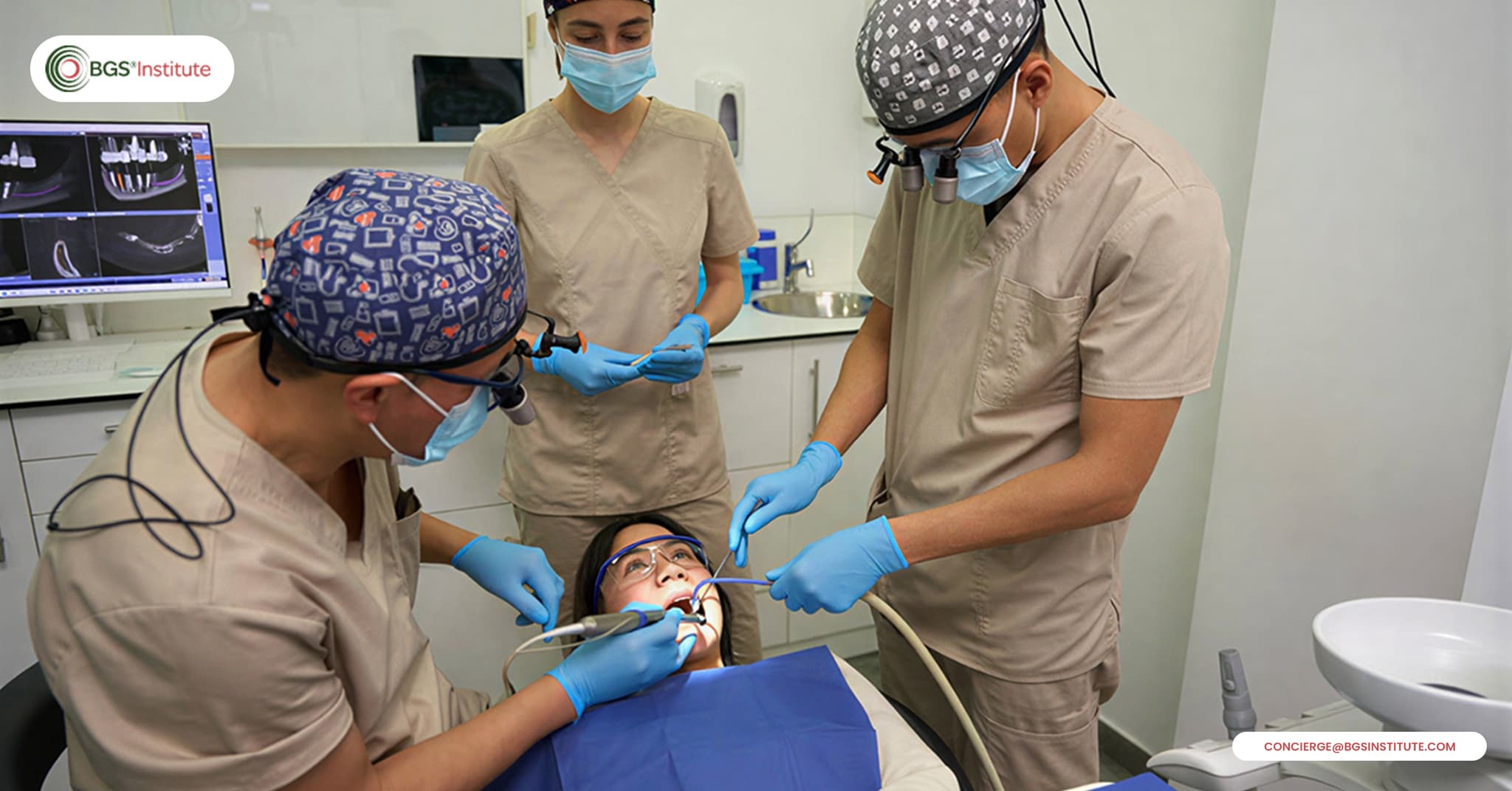
Patient-centered Biological Dentistry helps dentists build trust through clear communication, safer planning, and whole-body care.
The future of Biological Dentistry will depend on responsible implementation. More interest alone is not enough. Dentists need education that helps them apply biological principles in a clinically grounded, evidence-aware, and patient-friendly way.
This is where organized education becomes important. The field needs dentists who can connect oral-systemic health, safer materials, prevention, and patient-centered dental care into a professional clinical model.
For BGS, this creates an opportunity to lead with structure. The Masterclass can serve as a bridge between curiosity and deeper education, helping dentists decide whether Biological Dentistry fits their clinical goals and long-term practice direction.
Conclusion
More dentists are seeking Biological Dentistry training because patient expectations, oral-systemic awareness, and practice models are changing at the same time. Dentists need more than scattered information. They need a clear way to understand biological dental care and apply it responsibly.
The BGS Masterclass gives dentists a practical starting point for this shift. It helps connect safer protocols, patient-centered dental care, material awareness, and whole-body treatment planning before deeper certification.
Discover how leading dentists are integrating oral-systemic health, safer protocols, patient-centered care, and Biological Dentistry principles through the BGS Masterclass.
FAQs
Is Biological Dentistry becoming more popular?
Yes. More patients are asking about oral-systemic health, safer materials, mercury-safe care, ceramic implants, and wellness-focused dental treatment. This has increased interest in Biological Dentistry education among dentists.
Why are dentists interested in Biological Dentistry?
Dentists are interested because Biological Dentistry gives them a wider framework for case planning, material discussions, prevention, and oral-systemic care.
What does the BGS Masterclass teach?
The BGS Masterclass introduces dentists to the core ideas behind Biological Dentistry, including oral-systemic thinking, safer protocols, material awareness, patient communication, and whole-body treatment planning.
How is Biological Dentistry different from traditional dentistry?
Traditional dentistry focuses on diagnosing and treating oral disease. Biological Dentistry adds a wider lens by considering materials, inflammation, healing response, patient history, and the connection between oral health and overall health.
Can a general dentist learn Biological Dentistry?
Yes. A general dentist can begin with a Biological Dentistry course or masterclass, then move toward deeper education, mentorship, and certification if it fits their clinical goals.