Resources
How the Biodentistry Global Standard Is Transforming Biological Dentistry?
For decades, dentistry has mainly focused on repairing teeth after damage appears. Many patients still struggle with chronic inflammation, recurring infections, fatigue, and unresolved oral health issues even after traditional dental treatments. This growing concern has increased interest in Biological Dentistry, a science based approach that looks beyond symptoms and examines how oral health affects the entire body.
The introduction of the Biodentistry Global Standard (BGS) is helping reshape this field through structured protocols, advanced diagnostics, biocompatible materials, and patient centered care. Developed through the vision of Dr. Dominik Nischwitz, also known as Dr. Dome, the BGS framework is creating a standardized and evidence driven future for Biological Dentists worldwide.
What Is Biological Dentistry?
Biological Dentistry is a modern approach to oral healthcare that studies the connection between the mouth and the rest of the body, reinforcing the growing awareness around the importance of oral health in Biological Dentistry. Instead of treating teeth as isolated structures, Biological Dentists evaluate how infections, inflammation, toxic materials, and oral stressors may influence systemic health.
This approach focuses on using biocompatible materials, reducing toxic exposure, improving healing capacity, and improving long term wellness. It also prioritizes prevention and education rather than repetitive symptom management.
Unlike outdated models that mainly focus on mechanical repair, Biological Dentistry examines the root causes behind oral dysfunction. This includes hidden infections, chronic inflammation, cavitations, and compatibility of dental materials. Evidence in oral-systemic research suggests that untreated inflammation in the mouth may influence overall health and wellness. (Source: PubMed Research)
Today, many patients are actively searching for Biological Dentists because they want a more complete understanding of how oral health impacts energy, immune function, recovery, and overall well being.
Why the Biodentistry Global Standard Matters

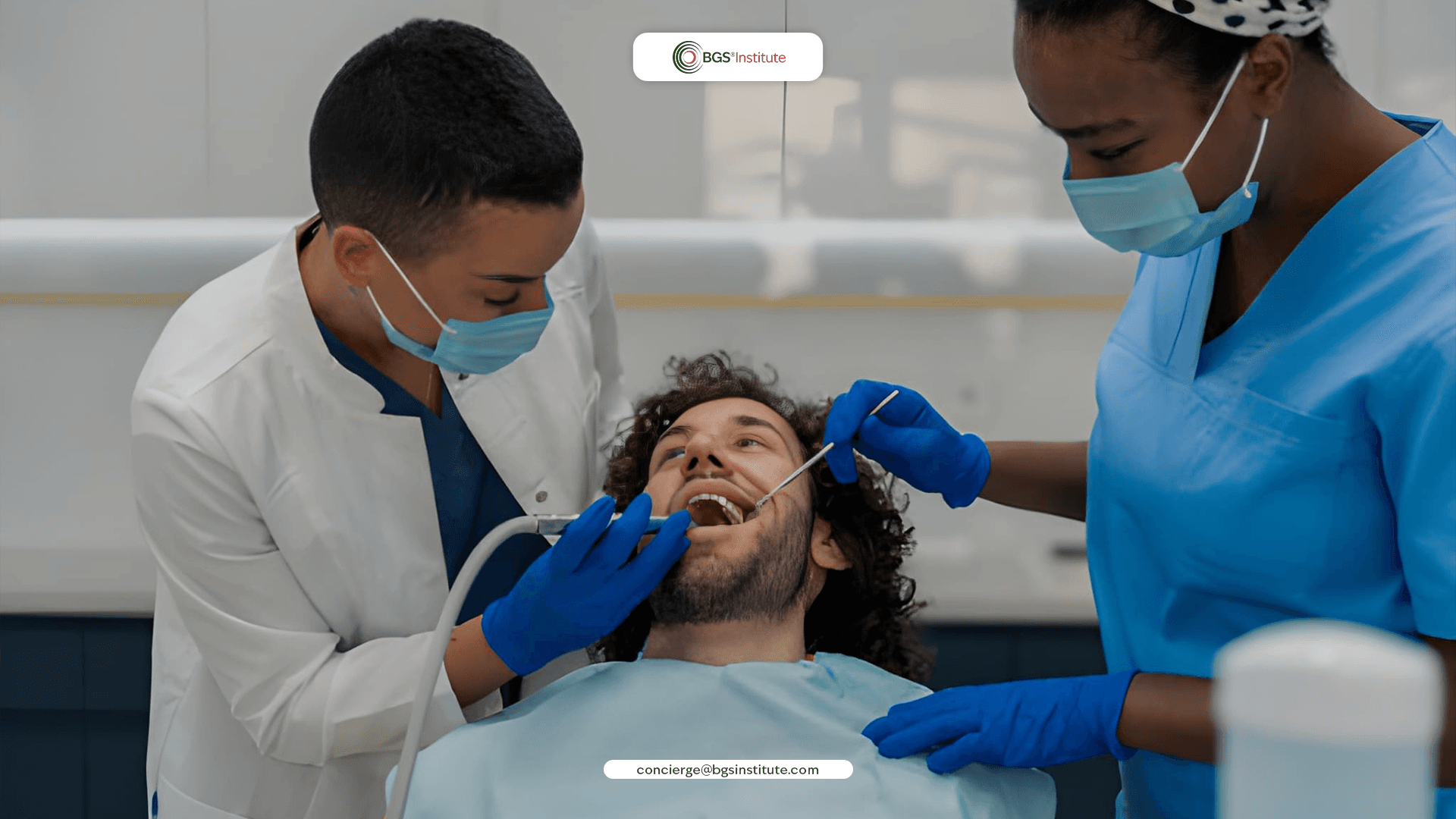
The Biodentistry Global Standard encourages collaborative, patient-centered care focused on long-term oral and overall health
One of the biggest challenges in modern dentistry has been the lack of clear standards within biological approaches. Different clinics often use different methods, terminology, and treatment philosophies. The Biodentistry Global Standard was created to solve this issue through a more structured and science based framework.
The BGS framework helps create consistency in diagnostics, surgical protocols, patient education, and treatment planning. Rather than using vague wellness language, it provides clear systems designed to improve patient outcomes and clinical accountability.
The standard also supports a major shift in the role of dentists. Instead of functioning only as repair technicians, Biological Dentists are increasingly becoming health focused practitioners who understand the relationship between oral conditions and systemic inflammation.
According to the Institute of Biological Dentistry newsletter, the BGS framework includes:
• Diagnostics
• Surgical protocols
• Biological materials
• Detoxification principles
• Nutritional preparation
• Systemic healing support
This structured approach is helping elevate Biological Dentistry into a more recognized and professional healthcare model worldwide.
The Vision Behind Biodentistry 3.0
The Biodentistry Global Standard was pioneered through Biodentistry 3.0, founded by Dr. Dominik Nischwitz. His work focuses on redefining the relationship between dentistry and total body health.
Dr. Dome believes that some chronic health concerns may be associated to overlooked oral issues such as certain metal-based restorations and outdated dental procedures. His philosophy centers around identifying these stressors and supporting the body through biologically compatible treatment methods.
He has placed more than 5,000 ceramic implants and co founded the DNA Health & Aesthetics Center for Biological Dentistry in Germany. He also serves as Vice President of the International Society for Metal Free Implantology (ISMI).
His bestselling book, It’s All In Your Mouth, has become a major educational resource for both patients and practitioners interested in oral systemic health. Through global education programs and the BGS certification system, his work has contributed to education, protocol development, and systems standardization within biologically focused dentistry. (Source: Dr. Dominik Nischwitz Official Resources)
How Biological Dentistry Connects Oral Health to Systemic Wellness
Modern research continues to explore the relationship between chronic inflammation and overall health. Biological Dentistry builds on this understanding by examining how oral stressors may affect broader biological functions.
For example, chronic infections in the mouth may contribute to inflammatory burden within the body. Some patients experiencing fatigue, brain fog, immune dysfunction, or chronic discomfort may not realize that hidden oral issues could play a role in their health challenges.
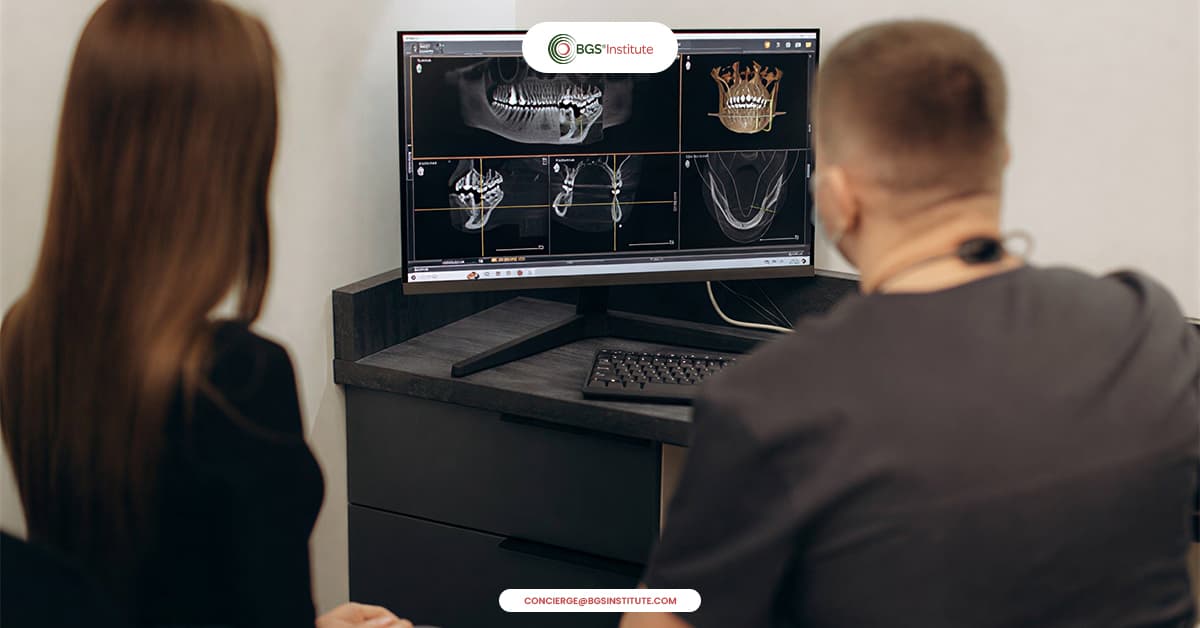
This is why Biological Dentists place strong emphasis on comprehensive diagnostics and full mouth evaluations. The goal is not only to improve oral function but also to improve systemic balance and long term wellness. The Biodentistry Global Standard encourages practitioners to examine:
• Bone health
• Hidden infections
• Material compatibility
• Inflammatory triggers
• Healing capacity
• Nutritional status
This broader perspective helps patients understand that oral health is not separate from overall health.
Advanced Protocols Used in Biological Dentistry
One of the defining features of the BGS framework is its emphasis on advanced and biologically aligned treatment protocols.

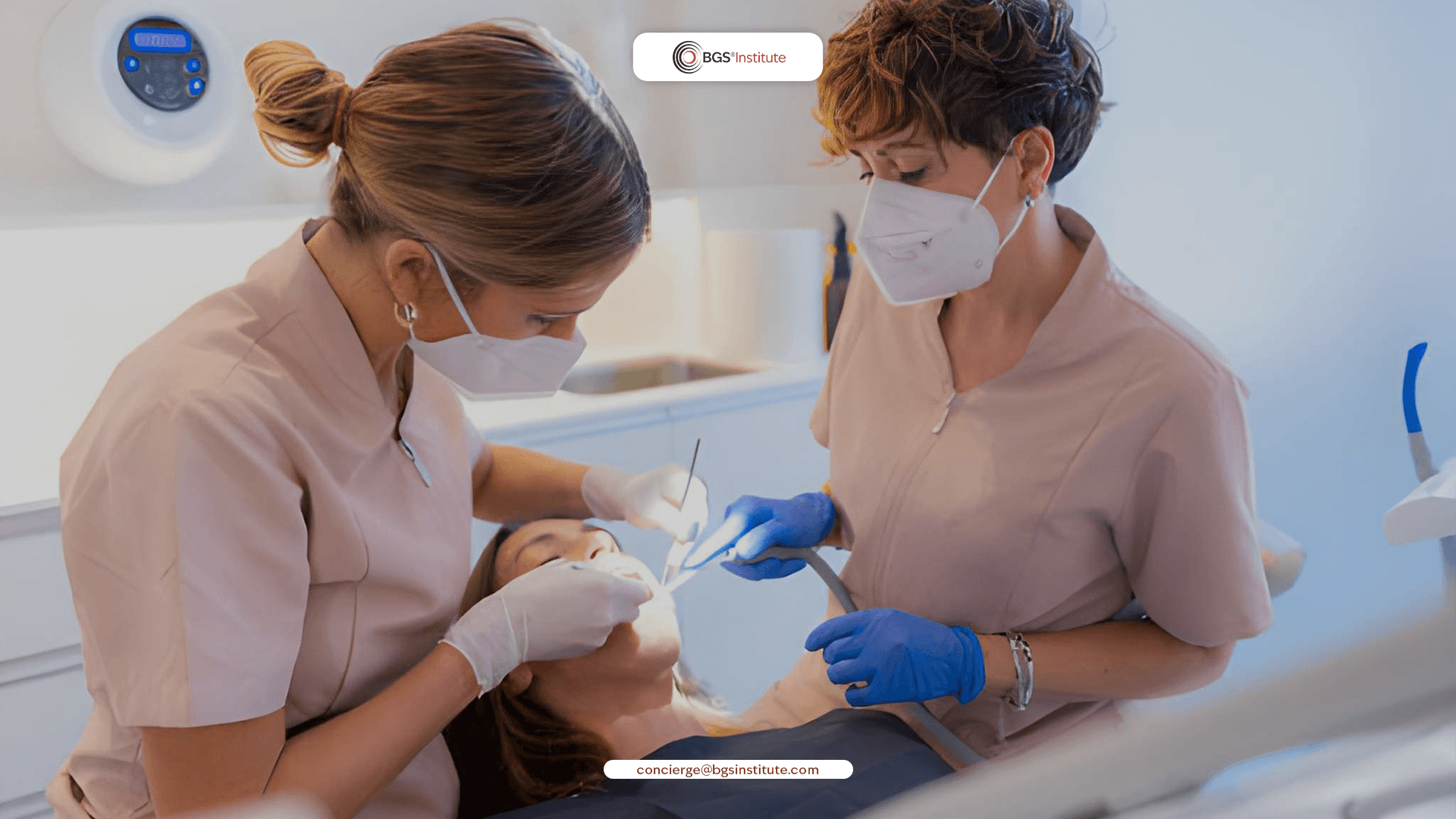
The Biodentistry Global Standard promotes advanced protocols such as metal-free dentistry, safe amalgam removal, and biologically focused surgical care
1) Ceramic Implants and Metal Free Dentistry
The Biodentistry Global Standard strongly supports metal free restorative approaches whenever clinically appropriate. Ceramic implants have become increasingly important because of their biocompatibility and aesthetic advantages.
Unlike traditional titanium based systems, ceramic implants are designed to support a more biologically compatible environment. This aligns with the BGS philosophy of reducing unnecessary inflammatory stressors whenever possible.
2) Safe Amalgam Removal
Biological Dentistry also prioritizes strict safety protocols during amalgam removal procedures. Proper isolation methods and protective systems are important for reducing exposure during treatment.
3) Biological Surgical Protocols
The BGS framework includes surgical approaches focused on improving healing outcomes, preserving biological integrity, and minimizing unnecessary trauma to tissues. This patient centered approach reflects a larger movement toward prevention, recovery optimization, and long term health support.
Why More Patients Are Searching for Biological Dentists
Patient awareness around oral systemic health has grown significantly over the past few years. Many people now want healthcare providers who look beyond symptoms and investigate root causes. This shift is one reason why searches related to Biological Dentistry certification continue to increase online. Patients are becoming more informed about:
• Material biocompatibility
• Chronic inflammation
• Preventive healthcare
• Full body wellness
• Long term oral health outcomes
The demand for more personalized and prevention focused dental care is helping accelerate the growth of Biological Dentistry globally.
The Role of Education and Certification in Biological Dentistry

Education and certification programs in Biological Dentistry help practitioners follow advanced protocols and evidence-based patient care
As the field continues to grow, education and standardized training are becoming increasingly important. The BGS Institute is helping address this need through practitioner education, certification systems, and clinical guidance.
Structured education ensures that Biological Dentists follow consistent protocols instead of relying on loosely defined methods. This is especially important in areas involving diagnostics, detoxification principles, surgical planning, and patient communication.
The rise of Biological Dentistry certification programs is also helping establish stronger trust between patients and practitioners. Standardized education allows patients to better identify professionals who follow evidence based biological principles.
For practitioners interested in expanding their clinical model, training programs focused on Biological Dentistry can provide a deeper understanding of oral systemic health and patient centered care.
The Future of Biological Dentistry
The future of healthcare is increasingly moving toward prevention, personalization, and systems based medicine. Biological Dentistry fits directly into this evolution by focusing on root causes rather than symptom management alone. The Biodentistry Global Standard is helping move the industry toward:
• Better clinical consistency
• Stronger educational standards
• Safer material selection
• Improved patient outcomes
• Greater awareness of oral systemic health
At the same time, documentaries such as Bye Ol’ Dentistry are helping bring these conversations to a wider audience. The film highlights outdated dental practices while presenting Biological Dentistry as a prevention-focused approach to oral care.
This growing movement suggests that Biological Dentistry may become an increasingly important part of modern healthcare in the years ahead.
How to Become a Biological Dentist
As interest in oral-systemic dentistry continues to grow, more practitioners are exploring advanced education programs focused on biologically aligned diagnostics, preventive care, and patient-centered treatment planning. Certification programs can help dentists expand their clinical approach and better understand integrative dental care principles.
Learn the Future of Biological Dentistry!
If you want to understand how modern dentists integrate oral-systemic health, biologically aligned protocols, and patient-centered care into clinical practice, structured education is essential.
The Biodentistry Global Standard is helping create a new direction for patient centered dental care through science based protocols, advanced education, and systemic health integration. If you want to learn more about Biological Dentistry training and certification, get the official BGS Institute Masterclass!
Conclusion
The rise of Biological Dentistry reflects a larger shift happening across modern healthcare. Patients no longer want isolated treatment models that only manage symptoms. They are looking for answers that connect oral health, inflammation, recovery, and overall wellness.
The Biodentistry Global Standard is helping bring structure, accountability, and scientific direction to this growing field. Through education, advanced diagnostics, biologically compatible protocols, and patient centered care, the BGS framework is changing how both practitioners and patients understand dentistry.
As awareness around oral systemic health continues to expand, Biological Dentistry may become one of the most important developments in preventive healthcare. The work being led by Dr. Dominik Nischwitz and the BGS Institute is not simply about changing dental procedures. It is about redefining the role of dentistry in long term human health.
FAQs
What is Biological Dentistry?
Biological Dentistry is an approach to dental care that studies how oral health affects the entire body. It focuses on biocompatible materials, prevention, inflammation reduction, and systemic wellness.
What is the Biodentistry Global Standard?
The Biodentistry Global Standard (BGS) is a structured framework designed to create consistent protocols in Biological Dentistry. It includes diagnostics, surgical standards, biological materials, and patient centered treatment systems.
Who created the Biodentistry Global Standard?
The BGS framework was pioneered by Dr. Dominik Nischwitz, founder of Biodentistry 3.0 and a global educator in Biological Dentistry and ceramic implantology.
Why are ceramic implants important in Biological Dentistry?
Ceramic implants are often preferred in Biological Dentistry because they are metal free and often selected in biologically focused practices for aesthetic and material preference considerations.
How can dentists learn Biological Dentistry?
Practitioners can explore Biological Dentistry certification and training programs through organizations such as the BGS Institute, which provides education focused on oral systemic health and advanced biological protocols.