Resources
Biological Dentistry Certification: Training, CE Credits and Global Standards for Dentists

A dentist can learn individual techniques from many courses, but that does not automatically create a consistent approach to Biological Dentistry. The bigger challenge is bringing clinical principles, materials, nutrition, diagnostics, surgery, and patient education into one clear framework. Dr. Dominik Nischwitz, founder of the BGS Institute and creator of the Biodentistry Global Standard, has spent two decades developing and refining this approach in clinical practice.
A pioneer in Biological Dentistry, he has placed more than 5,000 ceramic implants, serves as Vice President of the International Society for Metal Free Implantology, and is the author of It’s All In Your Mouth. The BGS framework brings that clinical experience into structured education, defined certification levels, continuing education, and practical implementation for dentists. For dentists exploring biological dentist training, the value is not limited to receiving a certificate. The important question is whether the education behind that credential gives clinicians a common foundation they can understand and apply in practice.
Biological Dentistry Certification Creates a Clearer Global Standard
Biological Dentistry has developed through many concepts, protocols, and interpretations, but without a clearly defined standard, the term can mean different things to different practitioners. Dr. Dominik Nischwitz created the Biodentistry Global Standard in response to this gap, with the goal of bringing greater consistency and accountability to the field. A shared standard can also help protect patients seeking biological dental care by making it clearer what training, protocols, and clinical expectations stand behind the services they receive.
For dentists, this brings greater credibility, certainty, and transparency to Biological Dentistry certification. The BGS certification programme turns that standard into a structured learning pathway covering materials, surgical protocols, nutrition, systemic health, and practice implementation. For someone researching how to become a Biological Dentist, it provides a clearer understanding of what they are expected to learn and apply before progressing to more advanced levels.
BGS Biological Dentist Training Covers Four Different Learning Areas

The four learning areas covered in BGS Biological Dentist training
The BGS biological dentistry course is organized into four modules that move from core principles to clinical application and practice implementation. Each part has a different role in the curriculum.
Module 1 covers Biological Dentistry principles, the mouth and body relationship, oral interferences, chronic health considerations, and dental materials.
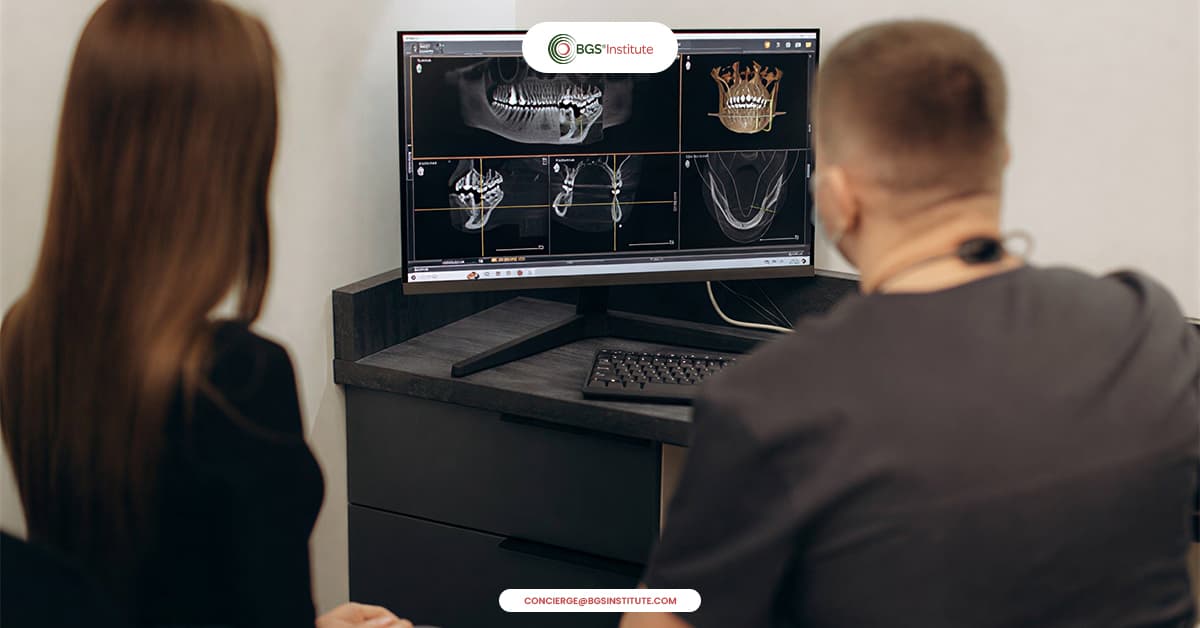
Module 2 focuses on ceramic implants, cavitations, CBCT imaging, surgical preparation, and Dr. Dominik Nischwitz’s clinical protocols.
Module 3 introduces Food Design, macronutrients, micronutrients, supplementation, and the Bone Healing Protocol.
Module 4 addresses patient education, the LifeChanger approach, practice transition, team education, and the All In One Concept.
The sequence gives dentists a common vocabulary before practice changes. It also connects subjects that may otherwise be learned separately, showing how diagnostics, materials, nutrition, preparation, and patient communication can fit within one clinical system.
12 CE Credits Add a Formal Continuing Education Component
BGS states that successful Level 1 completion can provide 12 continuing education credits, issued in partnership with Affordable CE Credits. The distinction around ADA CERP is important. Affordable CE Credits identifies itself as an ADA CERP Recognized Provider, while the American Dental Association explains that ADA CERP recognizes continuing education providers rather than approving or endorsing individual courses or instructors.
ADA guidance also states that recognition does not guarantee that every dental board will accept the credits. Dentists should therefore confirm their own licensing requirements. The CE component places the programme within a formal continuing education process without implying that the ADA endorses BGS clinical content.
Certification Levels Separate Foundational Education From Advanced Capability

BGS certification levels separate foundational Biological Dentistry education from advanced clinical capability
BGS uses different levels to distinguish foundational training from more advanced clinical implementation. Level 1 includes Biodentistry 3.0, Food Design Concept, and Bone Healing Protocol certification. BGS materials describe higher levels as requiring additional in person training, documented ceramic implant and cavitation experience, onsite diagnostic and supportive technologies, and eventually a complete BGS clinic model. This helps readers understand that every level does not represent the same scope of training. A credential becomes more useful when its level communicates what the practitioner has actually completed, rather than placing every certified dentist under one broad label.
The Bone Healing Protocol Adds More Than a Decade of Clinical Development
Dr. Dominik Nischwitz’s Bone Healing Protocol shows how a clinical concept can develop before becoming part of a wider educational system. His DNA Health and Aesthetics clinic states that the protocol was developed in 2013 around systemic preparation for bone healing and later expanded into a broader regeneration approach. That places its documented development more than a decade before the current BGS model.
Within the certification programme, the protocol is taught as a defined area of study rather than a passing concept. This gives dentists context for a system incorporated into BGS and shows how clinical development can become formal professional education. Dr. Nischwitz also discusses Biological Dentistry, systemic health, nutrition, implants, and related clinical topics through his podcast appearances and conversations.
The BGS Framework Connects an International Dental Community
A global educational framework also gives trained dentists a way to connect across different countries while working from common terminology, principles, and clinical expectations. The BGS Global Directory lists certified practitioners internationally, allowing patients and professionals to identify dentists who have completed defined levels of BGS training. Local licensing requirements and dental regulations still vary from country to country, but the shared educational framework gives the international BGS community a clearer reference point for what its certification levels represent.
Biological Dentist Training Can Shape the Patient Experience

How Biological Dentist training can shape the patient experience and support practice organization
Education can influence more than individual procedures. BGS presents Biological Dentistry as a model that connects oral findings with broader health considerations, clinical preparation, patient education, and long term health goals. In practice, that may influence appointment design, case communication, team training, and the time given to planning. For some dentists, the framework may support a patient centered dental practice or a fee for service dental model that allows more time for education and case planning. Certification alone does not create a successful practice, but a defined system can help a team decide how care should be organized and communicated. Dentists can also follow Dr. Dominik Nischwitz on Instagram for additional education and updates around Biological Dentistry and his wider clinical approach.
A Credential Has Value When the Standard Behind It Is Clear
The best way to evaluate Biological Dentistry certification is to look beyond the certificate itself. Dentists should consider what was studied, how the programme is structured, what each certification level requires, and whether continued education supports the credential over time. BGS brings these elements together through curriculum, clinical protocols, certification levels, and an international practitioner network. That makes certification part of a larger effort to give Biodentistry a more consistent educational foundation. Dentists interested in exploring the approach can review the BGS Masterclass and decide whether the training matches their clinical goals.
Frequently Asked Questions
What Is Biological Dentistry Certification?
It is structured professional education focused on the principles and clinical application of Biological Dentistry. The curriculum and requirements depend on the organization providing the certification.
How Do I Become a Biological Dentist Through BGS?
BGS starts with its Level 1 pathway, which includes structured education and specific certificates. Higher levels add in person training, clinical experience, and practice requirements.
Does the BGS Programme Provide CE Credits?
BGS states that successful Level 1 completion provides 12 CE credits issued in partnership with Affordable CE Credits. Dentists should confirm acceptance with their own licensing board.
Is BGS Certification the Same as ADA Accreditation?
No. ADA CERP recognizes continuing dental education providers, not individual courses or instructors, and it does not guarantee acceptance of credits by every dental board.
Why Does a Common Biological Dentistry Standard Matter?
A shared standard can give dentists a common educational baseline for terminology, clinical concepts, protocols, and patient communication while local licensing rules remain separate.