Resources
SMART Amalgam Removal for Safer Mercury Filling Replacement
Old silver fillings often raise questions when they crack, leak, wear down, or need replacement. The main issue is not simply that the filling contains mercury. The more important concern is how the filling is removed when treatment becomes necessary.
SMART amalgam removal gives dentists a defined method for that moment. Instead of treating old filling removal like a routine drilling procedure, it organizes the appointment around preparation, isolation, removal, cleanup, and disposal.
This article explains when amalgam removal may make sense, what makes the SMART protocol different, and how dentists can approach replacement with better planning.
Why Amalgam Removal Needs Careful Planning

Careful amalgam removal planning helps the dentist manage the tooth, filling material, and treatment space before drilling begins.
Dental amalgam fillings have been used for decades because they are durable and can handle chewing pressure well. Although they often look silver, they contain a mixture of metals, including elemental mercury.
The concern becomes more important during removal. A high-speed dental drill can create heat, friction, and fine debris. These conditions may increase mercury vapor and particle release near the patient, dentist, assistant, and treatment room air.
This is why the decision should start before the drill is used. The FDA advises that intact amalgam fillings should not be removed when they are in good condition and there is no decay beneath them, because unnecessary removal can remove healthy tooth structure and may temporarily increase mercury vapor exposure. A proper dental exam should come before any decision to replace an amalgam filling. (Source: U.S. Food and Drug Administration)
A 2019 study titled “Mercury vapor volatilization from particulates generated from dental amalgam removal with a high-speed dental drill — a significant source of exposure” found that drilling amalgam can create particles that continue releasing mercury vapor for more than an hour after removal. This supports a more deliberate approach instead of a quick drill-and-replace appointment. (Source: PubMed Central)
What Is SMART Amalgam Removal?
SMART stands for Safe Mercury Amalgam Removal Technique. It is a protocol developed by the International Academy of Oral Medicine and Toxicology, also called IAOMT. The protocol gives dentists a structured way to remove old amalgam fillings when replacement is clinically needed. (Source: IAOMT)
The important point is that SMART does not tell patients to remove every silver filling. It focuses on how removal should happen when a filling has already failed, cracked, leaked, or needs replacement for a valid dental reason. For dentists, SMART also reduces guesswork by giving the team a consistent appointment plan.
How SMART Changes the Removal Process
SMART changes the appointment by giving the dental team a clear sequence to follow. The dentist does not simply drill through the old filling until it breaks apart. The protocol starts before drilling, continues while the filling is removed, and ends with cleanup after the material leaves the tooth.
This short window is where planning matters most. The team needs to know the sequence before treatment begins, so the appointment does not depend on rushed decisions during drilling. In simple terms, SMART is not one device. It is a step-by-step workflow where each part has a specific role.
The Key Safety Steps Used in SMART Amalgam Removal
A SMART appointment often uses several safety layers. Each one has a different job.
Dental Dam
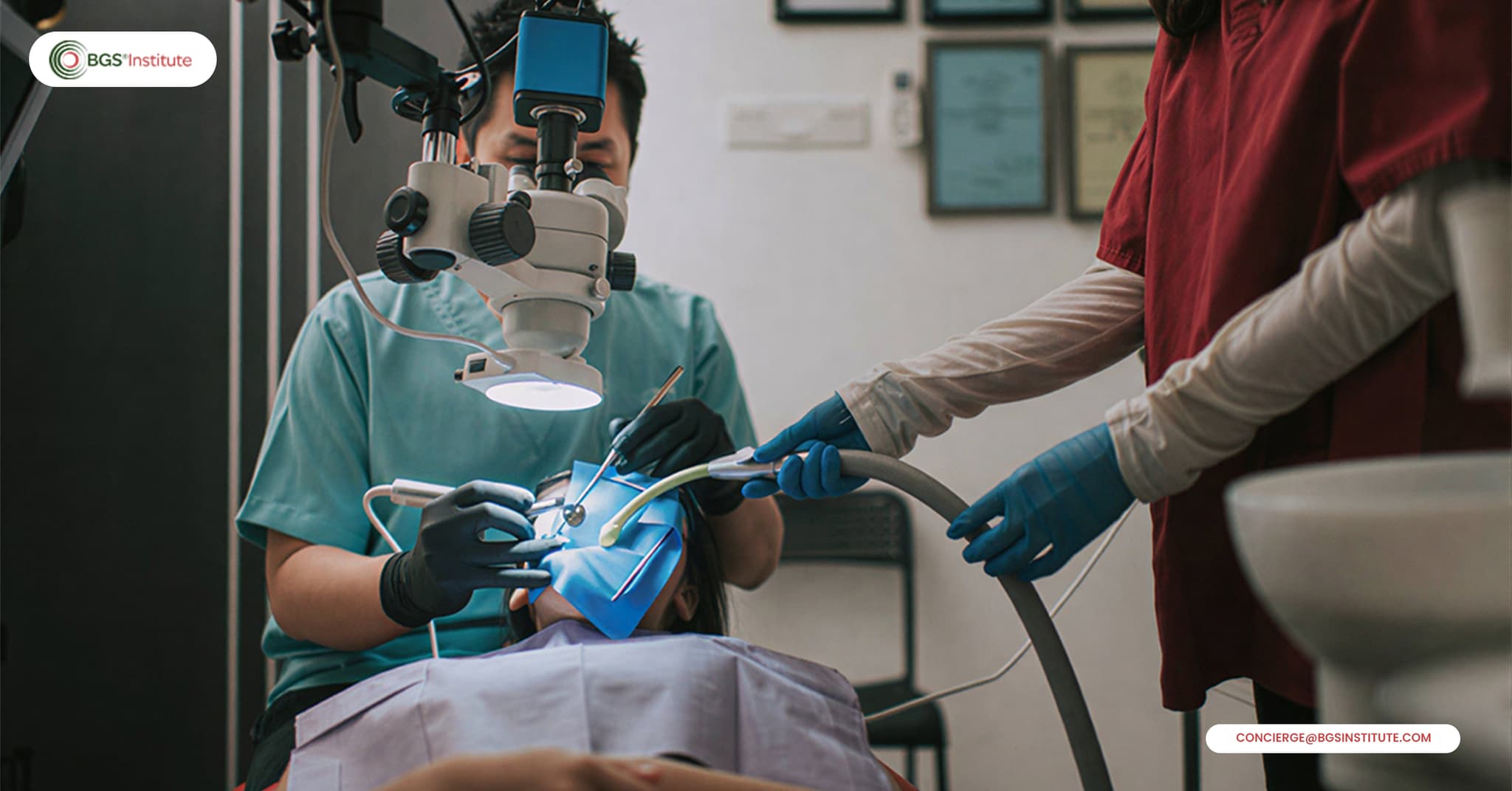
A dental dam separates the treatment tooth from the rest of the mouth. It helps limit contact with filling debris during removal.
High-Volume Suction
High-volume suction sits close to the tooth while the dentist works. It helps capture debris at the source instead of letting it spread across the mouth.
Clean Air or Oxygen
Some SMART appointments use a nasal mask so the patient can breathe air away from the treatment field. This step focuses on breathing-zone protection.
Water Cooling
Water helps lower heat during drilling, which can reduce the intensity of vapor release during the procedure.
Sectioning Technique
The dentist cuts the filling into larger sections instead of grinding it into dust. This helps limit fine debris around the treatment area.
Protective Barriers and Room Air Control
Protective coverings and air filtration help protect the dental team and treatment room. These measures keep the operatory cleaner during and after treatment.
When Is Amalgam Removal Appropriate?
Amalgam removal may be appropriate when a filling has cracked, loosened, leaked, worn down, or developed decay around or underneath it. It may also be needed when the tooth no longer has enough stable structure to support the old filling. (Source: U.S. Food and Drug Administration)
The decision should start with an exam, X-rays when needed, and a clear risk-benefit discussion. A dentist should explain why the filling needs replacement, how much tooth structure remains, what material will be used next, and what the patient should expect during recovery.
Why Biological Dentists Use SMART Protocols

Biological dentistry places patient safety at the center of care by using safer materials, clear communication, and treatment methods that support whole-body health.
Biological dentists often use SMART protocols because amalgam removal sits at the intersection of restorative care, material safety, airway control, and patient trust. The procedure is not only about replacing an old filling. It also involves material choice, patient confidence, and long-term restoration planning.
This matters in modern dentistry because patients are asking more detailed questions about dental materials, inflammation, toxicity, and long-term health. They do not only want to know what material will replace the filling. They want to know how the old material will be handled, what will replace it, and how the dentist will protect the tooth long term.
For dentists, SMART protocols also create a more organized clinical workflow. The team knows what equipment is needed, how the room should be prepared, how the patient should be protected, and how the restoration phase should follow. That structure supports a calmer patient experience and a more professional standard of care.
Environmental Responsibility and Amalgam Waste Management
A complete safety protocol does not end when the filling leaves the tooth. It also includes how amalgam waste is captured and handled after removal. Dental amalgam waste can affect wastewater if it is not handled correctly. The EPA requires dental offices that place or remove amalgam to operate and maintain amalgam separators and follow restrictions on discharging scrap amalgam. (Source: US EPA)
This matters because biologically informed dentistry also considers environmental responsibility. Amalgam separators help capture waste before it enters the water system. The American Dental Association also notes that EPA rules require amalgam separators to meet high removal efficiency standards. (Source: American Dental Association)
This gives amalgam removal an environmental layer that many patients do not consider. Responsible disposal is part of the treatment standard, not a separate afterthought.
What Patients Should Ask Before Amalgam Removal

A clear consultation helps patients understand why removal is needed, what material will replace the filling, and what to expect during treatment.
Patients can make better decisions when they know what to ask. Before booking the procedure, they can ask:
Why does this filling need to be removed?
Is there decay, cracking, leakage, or structural damage?
What protocol will be used during removal?
How will the tooth be isolated during the appointment?
What material will replace the amalgam?
What are the risks of removing it versus leaving it in place?
How will amalgam waste be handled after removal?
They can also ask whether the replacement material suits their tooth condition, bite force, cavity size, and long-term needs. The best conversation should help the patient understand the reason for treatment, not feel rushed into a decision.
Conclusion
SMART amalgam removal is most useful when an old silver filling truly needs replacement. The value of the protocol is not fear. The value is control. For patients, the best outcome starts with a clear reason for treatment and a dentist who can explain the full plan. For dentists, SMART shows how a defined protocol can turn a sensitive procedure into a more consistent and trusted clinical experience.
Dentists who want deeper training in Biodentistry can join the BGS Institute Masterclass to learn protocol-based care, biocompatible materials, and whole-body treatment planning.
FAQs
What is SMART amalgam removal?
SMART amalgam removal means Safe Mercury Amalgam Removal Technique. It is a structured protocol used when an amalgam filling needs removal, with the goal of reducing avoidable mercury exposure during treatment.
Is SMART amalgam removal safer than regular amalgam removal?
Yes, it adds more clinical preparation than routine drilling. The dentist follows a planned sequence instead of removing the filling as a standard replacement procedure.
Is it always necessary to remove amalgam fillings?
No. The FDA does not recommend removing amalgam fillings that are in good condition and have no decay beneath them. Removal should depend on dental need, exam findings, and a clear risk-benefit discussion.
How long does SMART amalgam removal take?
The appointment time can vary based on the number of fillings, tooth condition, safety setup, and replacement material. Because the appointment includes setup, isolation, removal, cleanup, and restoration planning, it may take longer than a routine filling replacement.
What does IAOMT SMART protocol mean?
The IAOMT SMART protocol is a mercury-safe removal framework developed by the International Academy of Oral Medicine and Toxicology. It gives dentists a clear clinical sequence for planning and carrying out amalgam removal.
Does insurance cover SMART amalgam removal?
Coverage depends on the insurance plan, the reason for removal, and the type of restoration used. Some plans may cover part of the replacement if there is decay, damage, or a functional dental need. Patients should confirm benefits before treatment.
Can amalgam be replaced with mercury-free materials?
Yes, when clinically suitable. Many dentists use tooth-colored, mercury-free materials after amalgam removal, but the final choice depends on tooth structure, bite force, cavity size, and patient needs.