Resources
Why Healing Starts Before Dental Treatment in Biological Dentistry
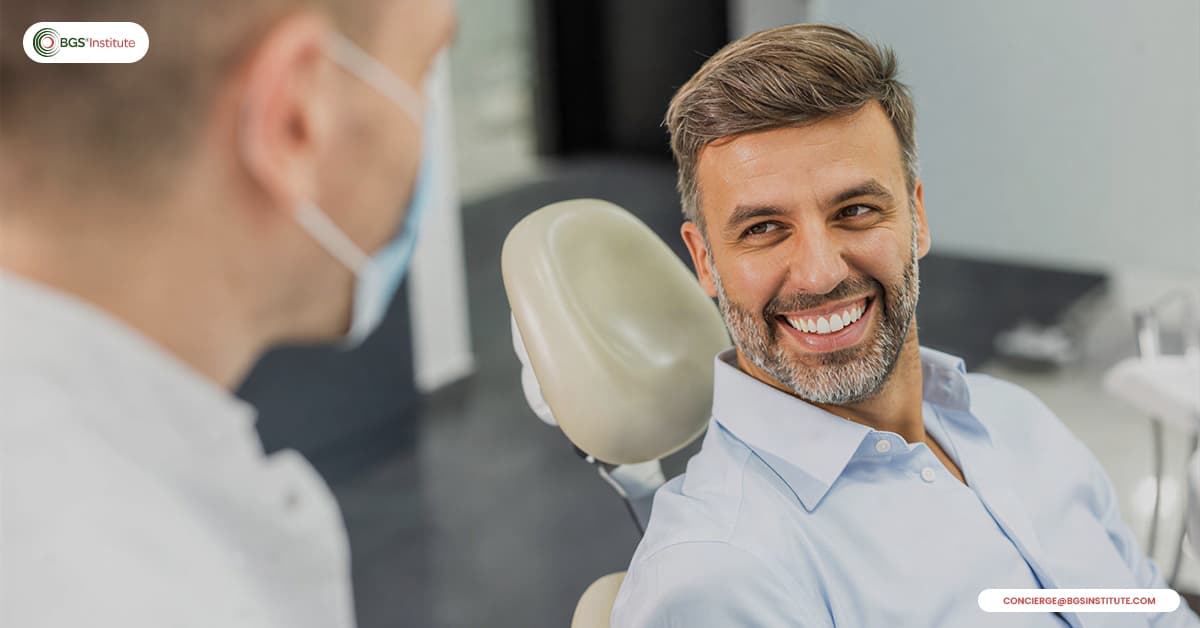
Two people may receive the same dental procedure from the same dentist, yet one recovers within days while the other experiences prolonged swelling, discomfort, or fatigue. Often, the difference is not the procedure itself. It is the condition of the body before treatment begins. In Biological Dentistry, recovery preparation begins before treatment through attention to factors such as inflammation, nutrition, sleep, hydration, metabolic health, and blood sugar balance. Rather than looking only at teeth, this approach also considers how the body may respond to treatment and recovery.
Why Some Patients Heal Faster Than Others
Healing outcomes after dental procedures may vary based on inflammation, nutrition, stress, and overall health.
Many conventional dental approaches focus primarily on repairing the visible problem. Healing capacity reflects how well the body can manage inflammation, repair tissue, and recover after dental procedures. Research from the National Institutes of Health suggests that nutrient deficiencies may impair tissue repair and recovery after medical procedures. (Source: National Institutes of Health).
Biological Dentistry Looks Beyond Symptoms
Biological Dentists may also evaluate nutritional status, inflammatory burden, sleep quality, stress levels, and overall systemic health before treatment to help improve post-procedure recovery outcomes.
One of the defining principles of Biological Dentistry is addressing root causes instead of focusing only on symptoms. Rather than viewing cavities, gum disease, or chronic inflammation as isolated oral problems, Biological Dentists examine how nutrition, immune function, toxic burden, stress, and lifestyle factors may contribute to oral health issues.
Biological Dentists often prioritize biocompatible materials and treatment strategies that support natural tissue regeneration. Research suggests that oral inflammation may be connected to broader health conditions including cardiovascular disease, diabetes, and immune dysfunction (Source: National Institutes of Health).
Inflammation Control Before Dental Procedures
The body cannot fully focus on repair while managing chronic inflammatory stress. When chronic inflammation is already present, the body may have fewer resources available for tissue repair and immune recovery. This may contribute to prolonged swelling, discomfort, and slower healing after procedures.
Biological Dentists often encourage patients to reduce inflammatory stress before treatment through nutrition and lifestyle support. Diets rich in processed foods, refined sugar, and unhealthy fats may contribute to systemic inflammation. For some people, specific dietary triggers such as gluten may contribute to inflammation and immune imbalance, especially when sensitivity or intolerance is present.
In contrast, whole foods, colorful vegetables, healthy fats, minerals, and quality protein may help promote systemic resilience and coordinated tissue repair. Nutritional support before treatment may help the body recover more efficiently after dental procedures.
Why Nutrition Matters Before Dental Recovery
The body cannot effectively repair tissue without adequate nutritional support. Healing after dental procedures depends on nutrients involved in collagen formation, bone metabolism, immune function, and inflammatory regulation. Nutrients commonly discussed in healing-focused Biological Dentistry protocols include magnesium, Vitamin D, Glycine, protein, and amino acids involved in collagen formation and tissue regeneration.

Chart showing important nutrients that support recovery after dental procedures, including magnesium, glycine, boron, vitamin D, and protein.
Nutrition also plays an important role in maintaining healthy gums, teeth, and long term oral health.
(Source: National Institutes of Health).
How Blood Sugar Imbalances Can Slow Healing
Blood sugar balance may influence inflammation, tissue repair, and recovery after dental procedures.
Frequent glucose spikes can affect immune function, collagen production, and inflammatory balance. Poor metabolic health may also impair circulation and slow tissue regeneration after dental procedures. Chronic inflammation and gut health imbalances may also influence how the body responds to recovery. Blood sugar regulation may also influence circulation, collagen synthesis, wound repair, and implant integration after oral procedures.
In Biological Dentistry, nutrition guidance often includes balanced meals that combine protein, healthy fats, and fiber rich carbohydrates instead of isolated processed carbohydrates. Stable blood sugar may help support more consistent energy production and recovery processes.
Research has shown that elevated blood glucose levels may negatively affect wound healing and immune response (Source: National Library of Medicine - PMC11512986). This becomes especially important before oral surgery, implant placement, or periodontal procedures where efficient tissue regeneration is essential.
The Hidden Role of Cellular Energy in Recovery
Tissue repair requires energy. Mitochondria produce the energy needed for immune defense, tissue regeneration, and recovery. When stress, poor sleep, inflammation, or nutrient deficiencies affect cellular energy production, healing may become slower and less efficient.
This is one reason why Biological Dentistry often emphasizes sleep quality, stress reduction, hydration, and recovery support before treatment. The body heals most effectively when it has sufficient energy reserves and reduced inflammatory burden.
Some Biological Dentistry practices may incorporate photobiomodulation to support circulation, comfort, and post-procedure recovery as part of a broader healing-focused protocol. Research suggests that low level light therapy may support wound healing and reduce discomfort after oral procedures (Source: National Center for Biotechnology Information).
Preparing the Body for Better Recovery
Preparing the body before dental treatment may help support better healing, recovery, and immune resilience.
Preparing the body before dental treatment brings all of these factors together into one healing-focused plan. Instead of viewing recovery as something that starts after the procedure, Biological Dentistry considers recovery readiness before treatment begins. This allows the dentist to look at whether the patient’s body has the nutritional support, inflammatory balance, hydration, sleep quality, and immune resilience needed for smoother healing.
The goal is not only to complete the dental procedure, but to help create better conditions for repair, comfort, and long-term recovery afterward.
A Different Philosophy of Dental Care
Traditional dentistry often focuses on repairing damage after disease appears. Biological Dentistry focuses on supporting the body before disease and before treatment. This shift changes how healing is approached entirely.
If you want to understand how Biological Dentistry integrates inflammation management, nutritional preparation, and healing-focused treatment planning into patient care, structured education provides a clear framework. Explore the official Masterclass!
Conclusion
In Biological Dentistry, recovery preparation is considered an important part of treatment planning. Addressing factors such as nutrition, inflammation, sleep, and metabolic health before procedures may help support more predictable healing and recovery outcomes.
FAQs
Can inflammation affect implant healing?
Yes. Chronic inflammation may interfere with circulation, tissue repair, and implant integration after oral procedures.
How does sleep affect oral recovery?
Sleep plays an important role in immune regulation, tissue regeneration, and post-surgical recovery.
Why is nutrition important before oral surgery?
Proper nutrition provides the nutrients needed for collagen formation, immune defense, and tissue repair after dental procedures.
What is healing-focused dentistry?
Healing-focused dentistry emphasizes recovery preparation, inflammation management, and biologically guided treatment strategies before and after procedures.
Can chronic inflammation delay oral healing?
Yes. Chronic inflammation can make it harder for the body to repair tissue after dental procedures. It may lead to more swelling, discomfort, and slower healing.
Why do some patients recover slower after dental procedures?
Recovery depends on factors like nutrition, sleep, stress, inflammation, and overall health. If the body is already under stress, healing may take longer.
How does nutrition affect tissue repair after dental treatment?
The body needs nutrients to repair gums, bone, and other tissues after treatment. Protein, vitamins, and minerals help support faster and healthier recovery.
What should patients do before dental treatment to support healing?
Patients may benefit from focusing on nutrition, hydration, sleep quality, stress management, and blood sugar balance before treatment. These factors can influence recovery and healing outcomes.
What do Biological Dentists evaluate before treatment?
Biological Dentists often look at inflammation, nutrition, sleep, stress, and immune health before treatment. This helps prepare the body for better healing.
Can blood sugar levels affect healing after dental procedures?
Yes. Poor blood sugar regulation may affect circulation, immune response, and tissue repair. Maintaining stable blood sugar levels may help support more predictable recovery outcomes.