Resources
Why Biocompatible Dental Materials Matter in Biological Dentistry
Biocompatible dental materials are an important part of treatment planning in Biological Dentistry. Patients want to understand what will be placed in their mouths, how long it may last, and whether metal-free options are suitable. Biological Dentists assess more than strength or appearance. They consider tooth location, bite forces, sensitivity history, oral conditions, and the expected long-term behavior of the restoration. Within the Biodentistry 3.0 framework, these factors help clinicians match the material to the patient and the clinical situation.
How Dental Material Selection Has Changed
For many years, restorative materials were selected mainly for durability, cost, and ease of placement. Modern material science now allows dentists to compare options based on bonding requirements, wear, esthetics, moisture sensitivity, repairability, tissue response, and maintenance.
This broader assessment helps clinicians select materials according to both mechanical demands and biological considerations.
How Amalgam Changed the Conversation About Dental Materials
Dental amalgam remains part of the material conversation because it contains mercury. The FDA states that amalgam releases low levels of mercury vapor and recommends that certain higher-risk groups avoid it when possible and appropriate.
However, the FDA does not recommend removing intact amalgam fillings that remain in good condition without a clinical reason. Removal can temporarily increase mercury vapor exposure and may require the removal of healthy tooth structure. (Source: FDA: Dental Amalgam Fillings)
For Biological Dentists, the decision depends on the condition of the filling, surrounding tooth structure, symptoms, fracture risk, and the patient’s overall treatment needs. An intact restoration may remain under observation, while a damaged or clinically unsuitable restoration may require controlled replacement.
When replacement is clinically appropriate, controlled isolation, high-volume suction, protective barriers, and sectioning techniques may help reduce unnecessary exposure during removal. The BGS guide to SMART amalgam removal explains these precautions in more detail.
What Makes a Dental Material Biocompatible?

Biocompatibility is becoming an important part of treatment planning as dentists choose materials that better fit each patient.
A dental material is considered biocompatible when it performs its intended function without creating an unacceptable local or systemic response. Evaluation may include its chemical composition, contact with oral tissues, potential allergens, corrosion behavior, wear products, and stability over time.
Dentists also review the patient’s allergy and sensitivity history. Laboratory compatibility tests may support selected cases, but they should not replace clinical examination, documented history, and professional judgment.
Long-term monitoring remains important because leakage, surface degradation, corrosion, or restoration breakdown can change how a material interacts with the oral environment.
How Modern Restorative Materials Reproduce Tooth Properties
Modern restorative materials are designed to reproduce specific properties of natural teeth. Composite resins can be layered and polished to match tooth color, while ceramics can reproduce translucency, surface texture, and light reflection.
Zirconia is often selected in situations where higher strength and fracture resistance are required, particularly in posterior regions and long-span restorations. Lithium disilicate is frequently preferred when superior translucency and esthetics are the primary goals, especially in the anterior region. Material selection should therefore be based on the functional and esthetic demands of the specific clinical situation, as well as the natural tooth properties being restored.
Are Composite Fillings Safe?
Composite fillings are widely used and can provide reliable clinical performance when an appropriate material is correctly selected, placed, and cured. They bond to tooth structure and provide a tooth-colored result, but their performance depends on the resin formulation, restoration size, moisture control, curing quality, and placement technique.
Research has examined whether resin-based materials release small amounts of unreacted components. Dentists can reduce this concern by selecting tested products, following the manufacturer’s curing instructions, and reviewing known allergies or sensitivities before treatment.
Is Zirconia Better Than Metal?
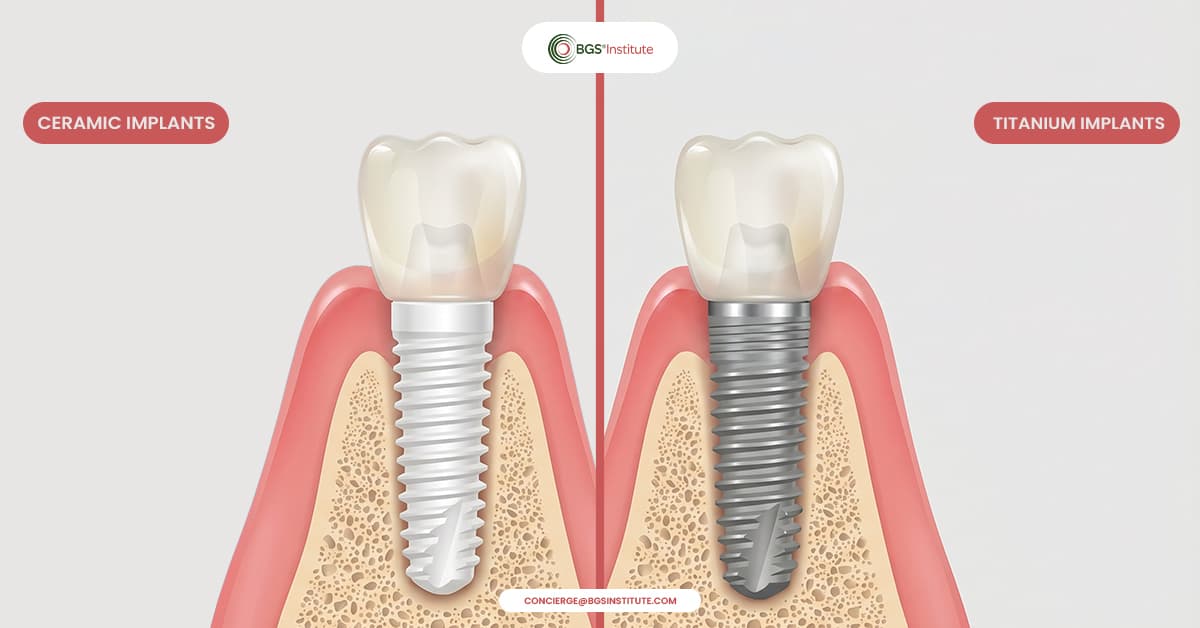
Zirconia offers high strength, a tooth-colored appearance, and resistance to corrosion. It may be suitable for posterior crowns, bridges, and patients seeking a metal-free option.
Metal-based restorations may still provide advantages in selected cases, including thinner restoration designs or a long history of clinical use. The decision should compare available space, bite forces, esthetic demands, opposing teeth, and the type of restoration required.
Why Bonding Matters as Much as the Restoration
The visible restoration is only one part of the final result. Adhesives, cements, surface preparation, isolation, and curing also affect restoration longevity. Moisture contamination, inadequate curing, poor surface treatment, or excessive bite pressure can weaken the bond between the tooth and restoration. A high-quality ceramic or composite may still fail when bonding is not carefully controlled.
How Digital Dentistry Improves Restorative Planning

Digital dentistry helps dentists create more accurate restorations through better material planning and design.
Intraoral scanners and CAD/CAM systems help clinicians measure available space, evaluate bite relationships, plan restoration thickness, and communicate accurate designs to the dental laboratory.
Digital workflows can improve marginal fit, contact points, restoration shape, and consistency during manufacturing. They may also reduce remakes by identifying design or space limitations before the restoration is produced.
What Are Bioactive Dental Materials?
Bioactive dental materials are designed to interact with the oral environment, often by releasing ions or supporting mineral-related processes. Glass ionomers, bioactive glass materials, and newer resin systems are being studied for remineralizing or antibacterial effects.
However, the term “bioactive” covers products with different compositions and levels of evidence. Dentists should evaluate each material’s clinical indications, durability, independent research, and long-term results rather than relying on the marketing label alone.
How to Explain Material Choices to Patients

Clear explanations help patients compare material benefits, limitations, maintenance needs, and expected longevity.
Patients may not understand terms such as lithium disilicate, resin composite, or adhesive chemistry. Dentists can make the decision easier by explaining how each option may affect appearance, chewing comfort, maintenance, longevity, and cost.
A clear discussion should cover why the material is recommended, what alternatives exist, its main limitations, and how the restoration should be maintained. This supports informed consent and helps the patient take part in the final decision.
Improve Material Selection Through the BGS Masterclass
The BGS Masterclass teaches dentists how to assess materials within the Biodentistry 3.0 framework. Training covers patient history, material composition, restorative design, bonding, digital planning, controlled removal protocols, and long-term monitoring.
Dentists learn to compare restorative options through clinical evidence and patient-specific factors rather than relying only on product claims or material categories.
Conclusion
The most suitable dental material is not always the newest, strongest, or most heavily marketed option. It is the option that fits the tooth, treatment conditions, patient history, and long-term restorative goals. The BGS Masterclass helps dentists apply this evidence-informed approach to biocompatibility, material selection, and restorative planning.
FAQs
What Are the Most Biocompatible Dental Materials?
Common options include resin composites, ceramics, zirconia, and glass ionomers. Suitability depends on the restoration type, treatment site, patient history, and material properties.
Why Do Biological Dentists Prefer Metal-Free Restorations?
Metal-free restorations may offer suitable esthetics, strength, and corrosion resistance. However, “metal-free” does not automatically mean that a material is appropriate for every patient or restoration.
Are Amalgam Fillings Still Used Today?
Yes, amalgam is still used in some settings. The FDA recommends that certain higher-risk groups avoid new amalgam fillings when suitable alternatives are available. Intact fillings should not be removed without a clear clinical reason.
Is Zirconia Better Than a Metal Crown?
Zirconia may offer high strength and a tooth-colored appearance, while some metal-based crowns can be made thinner or may suit specific clinical conditions. The better option depends on available space, bite forces, esthetic needs, and restoration design.
How Do Dentists Test Material Compatibility?
Dentists review the patient’s medical, dental, allergy, and sensitivity history. Additional testing may support selected cases, but it should not replace clinical examination and professional judgment.