Resources
PRF in Dentistry: Healing, Regeneration, and Recovery
Recovery after dental surgery is often associated with swelling, discomfort, inflammation, and slow tissue healing. Many patients also worry about infection risk and how long it will take before they can return to normal daily activities. Modern Biological Dentistry is moving toward treatments that support the body’s own healing mechanisms instead of relying only on synthetic interventions, especially as more clinicians adopt globally standardized regenerative treatment approaches.
One of the most important regenerative tools used today is Platelet Rich Fibrin (PRF). Derived from the patient’s own blood, PRF supports tissue repair, bone regeneration, and post surgical healing in a more natural way. From dental implants to tooth extractions and gum procedures, PRF in Dentistry is becoming an important part of patient centered dental care focused on long term healing and biologically guided recovery. (Source: PubMed Central, MDPI)
The Shift Toward Regenerative Healing in Biological Dentistry
Traditional dental procedures have often focused on replacing damaged structures and managing symptoms after surgery. While these methods can be effective, modern Biological Dentistry is increasingly emphasizing regeneration and tissue preservation. Instead of forcing the body to adapt to treatment, regenerative approaches work by supporting evidence-based regenerative healing pathways.
This shift has increased interest in treatments that improve wound healing, reduce inflammation, and encourage healthier tissue repair. PRF in Dentistry fits naturally into this philosophy because it uses the patient’s own biological material to stimulate recovery. Research continues to show that platelet concentrates may improve soft tissue healing, reduce post operative discomfort, and support regenerative outcomes after oral surgery. (Source: PubMed Central PMC12971706)
For Biological Dentists, PRF represents more than a surgical add on and reflects the broader evolution toward Biodentistry 3.0 and biologically driven patient care.
What Is Platelet Rich Fibrin (PRF)?
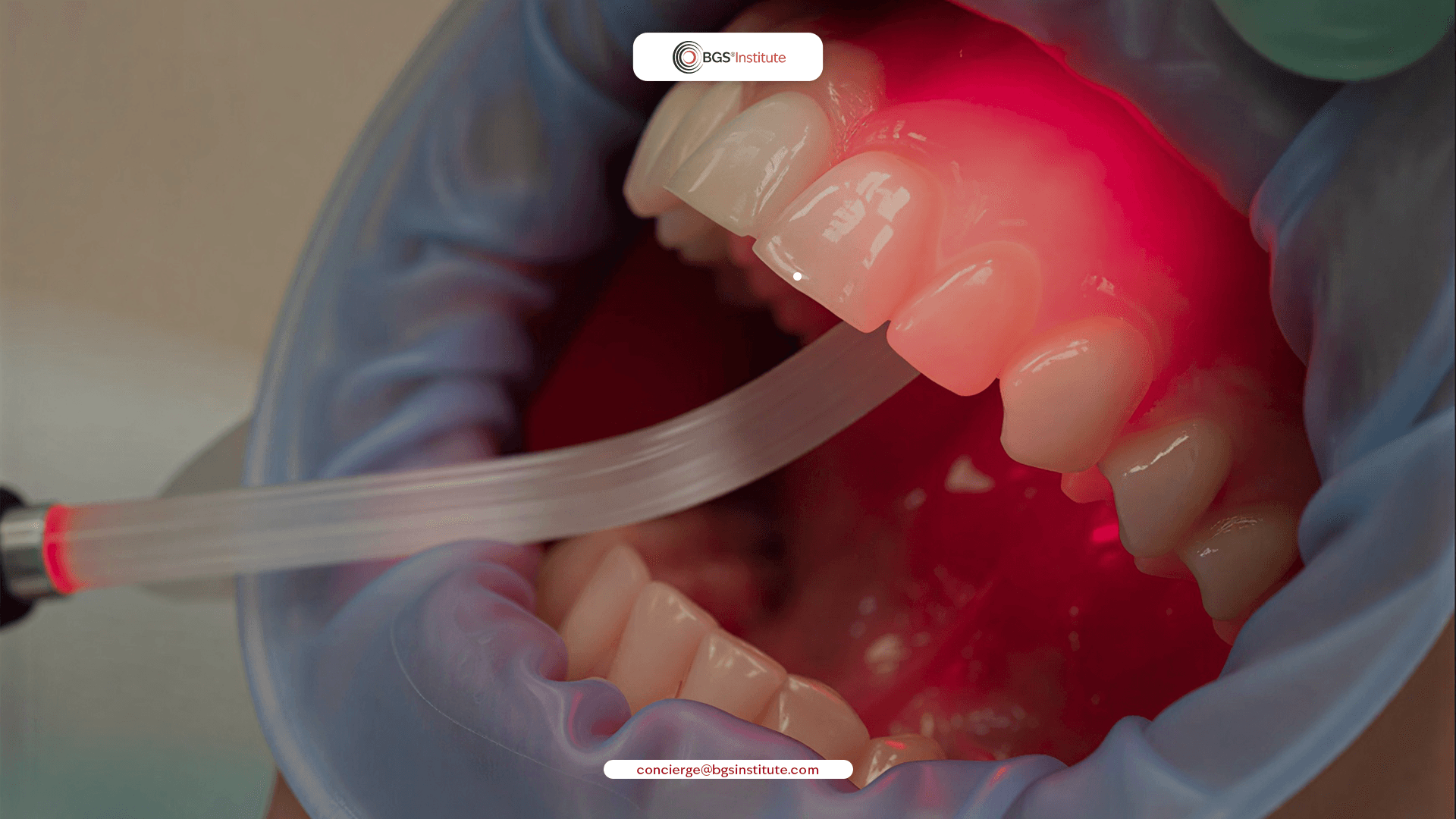
PRF in Dentistry supports tissue regeneration, wound healing, and improved recovery after oral surgery procedures.
Platelet Rich Fibrin is a regenerative material created from a small sample of the patient’s blood. The blood is processed in a centrifuge to separate a fibrin rich layer containing platelets, white blood cells, and growth factors that are important for healing and tissue repair.
Unlike older platelet concentrates, PRF does not require anticoagulants or synthetic additives. This creates a more stable fibrin matrix that slowly releases growth factors over time, helping support tissue regeneration for several days after surgery.
The fibrin matrix acts as a biological scaffold that supports healing in both soft and hard tissues. Researchers have associated PRF with improved angiogenesis, immune response modulation, collagen production, and tissue remodeling. PRF may support tissue organization and recovery during post-surgical healing.
This gradual healing support is one reason why PRF in Dentistry has become increasingly popular in implantology, periodontal therapy, and bone regeneration procedures.
Benefits of PRF in Dentistry
Platelet rich fibrin dental healing protocols are increasingly being used in regenerative dental procedures focused on tissue preservation and post-surgical recovery. One of the biggest reasons patients and Biological Dentists are interested in PRF is its ability to support recovery without relying on synthetic materials. Because PRF comes directly from the patient’s own blood, the risk of allergic reaction or disease transmission is extremely low.
A PubMed review on platelet concentrates in oral surgery reported improved soft tissue healing and reduced post-operative complications associated with PRF use (PubMed Central PMC12126912). Many clinicians also use PRF to support faster soft tissue closure and better bone healing around surgical sites, often alongside nutritional and regenerative healing protocols.
Some of the most recognized benefits associated with PRF dental treatment include:
Faster tissue healing
Reduced post surgical swelling
Improved bone regeneration
Lower infection risk
Better implant stability
Enhanced wound protection
Support for natural tissue repair
Another important advantage is patient comfort. Since PRF uses the body’s own regenerative components, many patients appreciate the more natural and minimally invasive approach to recovery.
PRF for Dental Implants and Osseointegration
PRF therapy may help improve osseointegration, bone healing, and tissue stability around dental implants.
Dental implant success depends heavily on how well the surrounding bone integrates with the implant surface. This biological process is called osseointegration. Healing quality during this stage can directly affect implant stability and long term outcomes.
While PRF may support implant healing and osseointegration, successful outcomes also depend on factors such as surgical technique, oral hygiene, systemic health, smoking status, and implant material selection.
PubMed studies suggest that PRF for dental implants may support bone formation and improve healing around implant sites. The growth factors within PRF can help stimulate blood vessel formation and tissue regeneration, both of which are important during implant healing. (Source: PubMed Research)
Biological Dentists often place PRF around implant sites to support tissue stability and encourage stronger integration between the implant and surrounding bone. PRF may also help reduce inflammation and swelling after surgery, improving the overall recovery experience for patients.
As regenerative dentistry continues to evolve, many clinicians are combining ceramic implant protocols with PRF based healing strategies to create a more biologically supportive implant process, especially when comparing ceramic vs titanium implant materials.
PRF After Tooth Extraction
Healing after tooth extraction is an important concern in modern dentistry. When extraction sites heal poorly, patients may experience complications such as dry socket, bone loss, inflammation, or delayed tissue recovery.
PRF after tooth extraction is commonly used to support healing within the extraction socket, particularly when combined with therapies that support gum recovery and wound healing. The fibrin matrix helps protect the surgical site while delivering growth factors directly where tissue repair is needed. Research has associated PRF with reduced pain, improved soft tissue healing, and lower rates of post extraction complications. (Source: PubMed Central)
PRF may also help preserve bone structure following extraction. This becomes especially important when future implant placement is planned. Maintaining healthier bone volume can improve long term restorative outcomes and reduce the need for more invasive grafting procedures later.
PRF for Bone Regeneration
Bone regeneration plays a major role in many advanced dental treatments, especially implant surgery, ridge preservation, sinus augmentation, and periodontal reconstruction. In these procedures, maintaining healthy bone volume is critical for long term function and stability.
Research continues to explore how Platelet Rich Fibrin in Dentistry may improve bone regeneration outcomes. PRF is often used alongside PRF bone grafting procedures, mineral support strategies, and regenerative healing protocols to improve graft stability and support tissue healing. (Source: NIH)
In bone grafting procedures, PRF is often used to improve graft handling and stability. It can help protect the surgical site and support early healing, making it a useful adjunct during ridge preservation, sinus augmentation, and implant preparation procedures.
These applications are particularly useful when maintaining bone volume is critical for future implant placement or long-term restorative success.
PRF for Gum and Periodontal Healing
Gum tissue healing is another important area where PRF in Dentistry is being increasingly used. Periodontal procedures often involve delicate soft tissue management, and recovery quality can influence both aesthetics and long term gum stability.
A PubMed Central review reported promising outcomes for PRF in periodontal regeneration and gingival healing procedures. (PubMed Central PMC11392565). PRF membranes may help improve tissue healing while reducing discomfort after surgery.
Biological Dentists may use PRF during gum grafting procedures or alongside regenerative periodontal therapies to support tissue integration and reduce inflammation. The natural fibrin matrix helps create a stable environment for soft tissue repair while supporting blood flow and cellular activity.
Because gum health plays a foundational role in overall oral health, regenerative support during periodontal therapy has become an increasingly important focus in modern Biological Dentistry.
PRF vs PRP in Dentistry
Comparison of PRP (Platelet-Rich Plasma) and PRF (Platelet-Rich Fibrin) in regenerative dental therapy, highlighting preparation methods, healing properties, and clinical applications.
Many patients confuse PRF with PRP, but there are important differences between the two regenerative therapies.
PRP, or Platelet Rich Plasma, is considered a first generation platelet concentrate. It often requires anticoagulants and additional processing steps. PRF, on the other hand, is a second generation platelet concentrate that is created without synthetic additives.
The biggest advantage of PRF is the fibrin matrix itself. This structure allows growth factors to release slowly over time instead of delivering a rapid short term burst. The sustained release supports longer healing activity after surgery.
PRF also contains higher concentrations of white blood cells and healing components that may support immune response and tissue repair. Because of its simplicity, biological compatibility, and regenerative support, PRF has become increasingly preferred in many dental applications.
Why Regenerative Dentistry Continues to Grow
The growing use of PRF reflects a broader trend toward minimally invasive and tissue-preserving treatment approaches. As research expands, clinicians continue exploring how regenerative protocols can improve healing efficiency and patient outcomes across implant, periodontal, and surgical procedures.
Educational institutions and training programs focused on Biological Dentistry certification and regenerative treatment protocols are also expanding globally. More clinicians are seeking advanced training in patient centered dental care, ceramic implantology, and regenerative surgical techniques.
As awareness continues to grow, PRF is likely to remain an important part of modern regenerative dental care.
Conclusion
Many clinicians now include PRF healing protocols as part of biologically guided implant recovery and regenerative surgical support. PRF is now being incorporated into a wide range of dental procedures, including implant placement, extraction site management, periodontal therapy, and bone grafting.
As evidence continues to develop, it remains an important regenerative tool for clinicians seeking predictable healing support within modern dental treatment protocols. As regenerative dentistry continues to advance, PRF is expected to play an even greater role in helping patients experience safer, more natural, and more effective healing after dental procedures.
If you want to explore advanced training in regenerative and Biological Dentistry protocols, register for the Official Masterclass!
FAQs
Does PRF reduce dry socket risk?
PRF may help support wound protection and soft tissue healing after tooth extraction, which some studies associate with reduced dry socket complications.
Is PRF painful?
The PRF preparation process involves a small blood draw similar to routine laboratory testing. Most patients tolerate the procedure well.
How long does PRF healing take?
Healing timelines vary depending on the procedure and patient health, but PRF is commonly used to support early tissue healing during the first few weeks after surgery.
Can PRF improve implant stability?
Research suggests PRF may support osseointegration and tissue healing around dental implants, which could contribute to improved implant stability during recovery.
Is PRF evidence-based?
PRF has been studied in regenerative dentistry, implantology, periodontal therapy, and oral surgery. Ongoing research continues to evaluate its clinical benefits and long-term outcomes.
Can PRF be combined with bone grafting materials?
Yes. PRF is often used alongside bone grafting procedures to help improve graft stability and support the healing process. Many clinicians incorporate PRF into regenerative protocols to enhance recovery at the surgical site.
What is the difference between PRF and PRP?
PRF and PRP are both platelet concentrates, but PRF is produced without anticoagulants or synthetic additives. It also provides a slower release of growth factors, which may support healing over a longer period.
Can PRF be used during gum grafting procedures?
Yes. PRF is commonly used during gum grafting and periodontal procedures to support soft tissue healing. It may also help improve patient comfort and promote more predictable tissue recovery after surgery.