Resources
How The Biodentistry Global Standard Improves Patient Care
Many patients feel frustrated when dental care only treats the visible problem but does not explain why it happened. A filling may be repaired, swelling may go down, or pain may improve, yet the patient may still wonder if oral inflammation, old materials, poor healing, or hidden infection is affecting their overall health. This is where Biological Dentistry offers a deeper model of care. The Biodentistry Global Standard helps move the field from broad ideas into clearer diagnostics, safer material decisions, and better patient education. It gives both patients and Biological Dentists a more structured way to understand the mouth as part of the whole body.
Biological Dentistry Starts With A Deeper Patient View
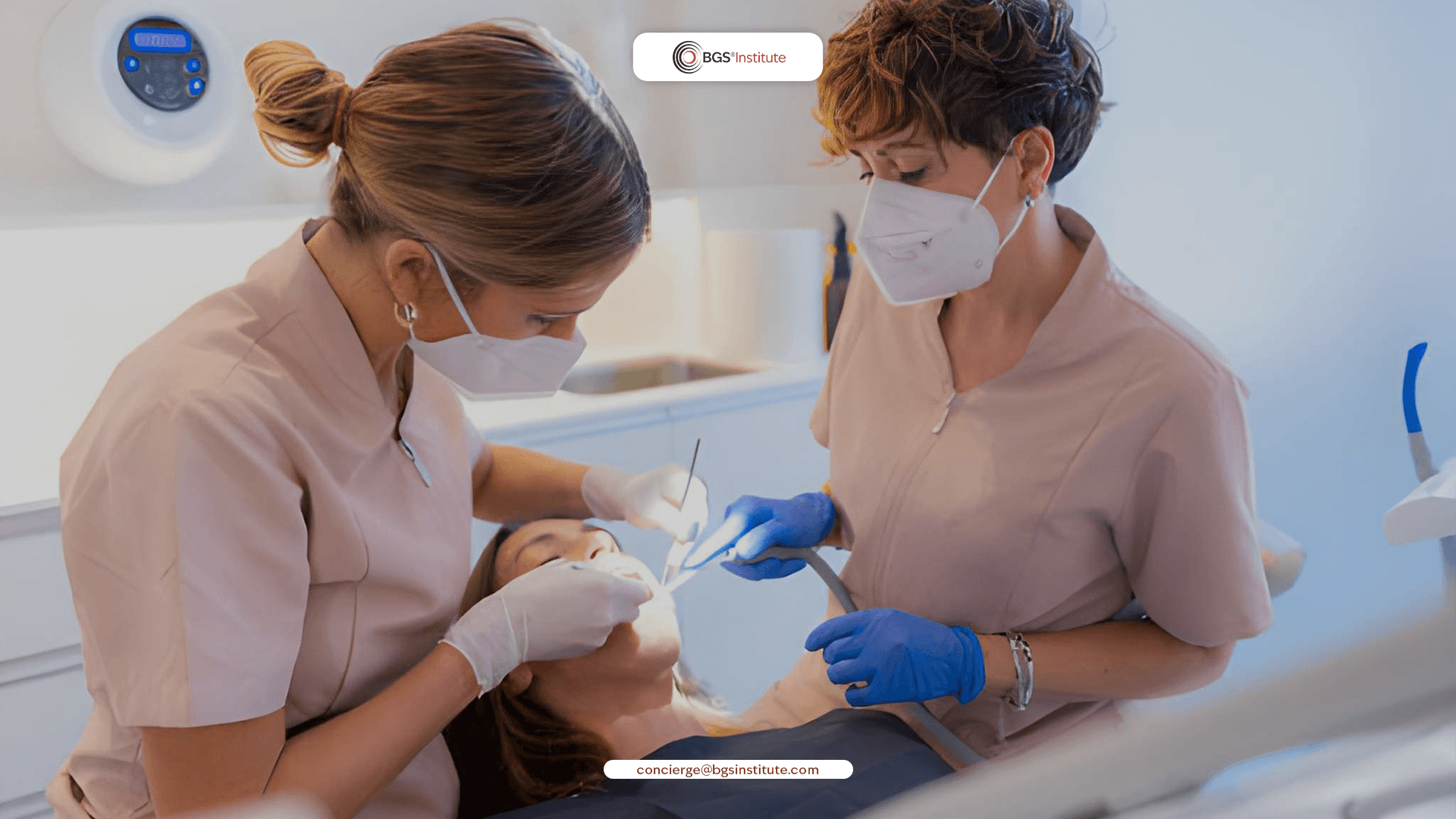
Biological Dentistry does not begin with the tooth alone. It begins with the patient. A Biological Dentist may look at oral symptoms, medical history, previous dental work, inflammation, healing patterns, and material concerns before recommending treatment. This helps the patient understand the reason behind each clinical decision.
Modern research continues to describe a connection between oral and systemic health. A 2025 review published through PubMed Central explains that oral health is increasingly recognized as connected with systemic health through inflammation, microbial balance, and bidirectional disease pathways. (Source: NIH, PubMed Central)
This does not mean every oral issue causes a systemic condition. It means the mouth deserves a more complete evaluation. That is the patient value of Biodentistry.
The Biodentistry Global Standard Creates Clinical Clarity
One challenge in Biological Dentistry is that patients may hear many different terms without knowing what they mean in real care. The Biodentistry Global Standard helps create clarity by giving dentists a structured way to evaluate, plan, and communicate treatment.
Instead of relying on general wellness language, a standard can help organize the clinical process. This may include advanced imaging when needed, material review, surgical planning, nutrition support, and recovery guidance. The official Institute of Biological Dentistry describes Dr. Dominik Nischwitz, also known as Dr. Dome, as the founder behind the Biodentistry 3.0 training model and a leader in Biological Dentistry and ceramic implantology. (Source: The Institute of Biological Dentistry)
For patients, this matters because a structured appointment feels different. They are not only told what needs to be done. They are shown why it matters.
Better Diagnostics Help Patients See The Full Picture
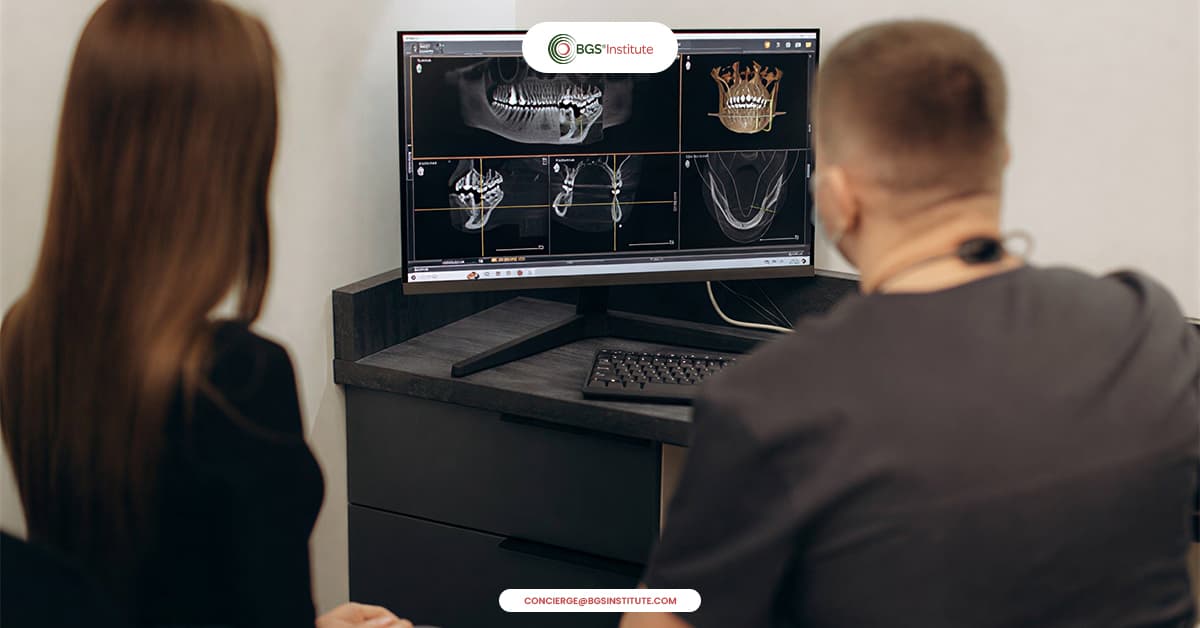
Better diagnostics help Biological Dentists avoid guessing, reveal hidden concerns, support better treatment decisions, and help patients understand their care options.
A patient centered dental practice needs strong diagnostics. In Biological Dentistry, this can include a detailed oral exam, gum evaluation, health history review, CBCT imaging when clinically appropriate, and discussion of previous dental materials or surgeries.
The goal is not to make treatment more complicated. The goal is to avoid guessing. Some patients may have jawbone concerns, chronic inflammation, old restorations, or oral stressors that cannot be fully understood through a quick visual exam.
When diagnostics are explained clearly, patients become part of the decision. They can see what the dentist sees. They can ask better questions. They can understand why one treatment plan may be safer or more suitable than another. This is one of the biggest ways BGS improves the patient experience.
Material Selection Becomes A More Thoughtful Decision
Material choice is a major reason people search for Biological Dentistry. Patients want to know what is being placed in their mouth and how that material may interact with their body over time.
Biological Dentists often consider ceramic, zirconia, and selected composite materials when clinically appropriate. A 2025 review on zirconia in dental implantology describes zirconia as a biocompatible material with aesthetic benefits, while also noting that clinical decisions should consider evidence, material behavior, and case selection. (Source: PubMed Central)
This is why BGS does not turn material choice into a trend. It makes it part of a structured clinical decision. The right dental material depends on bite forces, gum health, bone quality, aesthetic needs, patient history, and long term function. Patients benefit when the dentist can explain the reason behind every material recommendation.
Safer Planning Around Old Dental Materials
Many patients come to Biological Dentistry because they have concerns about older dental materials. One common topic is dental amalgam. The FDA states that dental amalgam fillings can release small amounts of mercury vapor, and exposure can temporarily increase during placement or removal. The FDA also notes that people should not remove intact amalgam fillings unless it is considered medically necessary. (Source: U.S. Food and Drug Administration)
A responsible Biological Dentistry approach should not create fear. It should create a safe review process. The dentist should look at the condition of the restoration, the patient’s health history, the risks of removal, and the safest way to proceed if treatment is needed. This is where protocols matter. Patients need measured guidance, not rushed decisions.
Healing Support Is Part Of The Treatment Plan
Healing support is part of Biological Dentistry treatment planning because recovery can depend on immune function, nutrition, inflammation control, tissue response, and proper post treatment guidance.
Dental treatment does not end when the procedure is complete. The body still needs to heal. Biological Dentistry places more attention on recovery because healing depends on immune function, nutrition, inflammation control, and tissue response.
This can be especially important for patients preparing for surgical care, ceramic implants, or treatment involving chronic oral inflammation. A Biological Dentist may discuss food quality, protein intake, vitamin and mineral status, oral hygiene, and post treatment instructions before the procedure begins.
This section can naturally connect with internal BGS content on Magnesium, Glycine, and Boron, because those topics support the wider conversation around tissue repair, bone health, and recovery. The patient benefit is simple. Treatment becomes more prepared, not only more technical.
Biological Dentist Training Improves Patient Communication
Patients do not only need advanced care. They need clear communication. This is why Biological Dentist Training, a Biological Dentistry Course, and Biological Dentistry certification are important for the future of the field.
Training helps Biological Dentists explain complex ideas in a simple way. A patient should understand why imaging is needed, why a material is being recommended, why healing support matters, and why one treatment option may fit better than another.
This also answers the search intent behind how to become a Biological Dentist. Dentists need more than interest in Biological Dentistry. They need a structured learning path that helps them apply protocols safely and communicate them responsibly. That is also why the BGS Institute Masterclass can be a strong next step for dentists who want to understand the field with more direction.
Patient-Centered Care Depends On Clear Communication
The Biodentistry Global Standard supports patient centered Biological Dentistry by helping dentists explain diagnostics, treatment planning, and oral health findings with greater clarity.
A detailed Biological Dentistry consultation may include reviewing health history, diagnostic imaging, previous dental materials, healing concerns, and available treatment options. The important point is whether patients receive enough information and time to understand the proposed care.
Patients should clearly understand what is included in their assessment, why each step is being recommended, and what support may be available before and after treatment. Clear communication helps patients ask better questions and make informed decisions about their care.
Start Learning The BGS Approach
Dentists who want to understand this model need more than scattered information. They need a clear introduction to how Biodentistry 3.0 connects patient assessment, material selection, biological protocols, and clinical communication.
The BGS Institute Masterclass gives practitioners a structured starting point for learning how Dr. Dome and the BGS Institute are shaping modern Biological Dentistry. It is especially useful for dentists who want to explore biological dentist training, Biological Dentistry certification, and a more patient centered clinical model.
Conclusion
Biological Dentistry becomes more valuable when patients can understand the process behind their care. The Biodentistry Global Standard helps create that process. It brings structure to diagnosis, material selection, treatment planning, healing preparation, and patient education. For patients, this means fewer vague answers and more clarity. For dentists, it creates a stronger path toward consistent Biological Dentistry care.
The future of Biological Dentistry should not depend on broad claims. It should depend on clear standards, responsible training, and patient centered systems that make every treatment decision easier to understand.
FAQs
What Is The Biodentistry Global Standard?
The Biodentistry Global Standard is a structured model that helps Biological Dentists follow clearer systems for diagnostics, material selection, treatment planning, healing support, and patient education.
How Does BGS Improve Biological Dentistry For Patients?
BGS helps patients receive a more complete evaluation. It supports better imaging review, safer material discussions, clearer explanations, and more personalized treatment planning.
Why Are Biocompatible Materials Important In Biological Dentistry?
Biocompatible materials are important because dental materials stay in contact with oral tissues for many years. Biological Dentists consider function, aesthetics, patient history, and long term compatibility before selecting materials.
Why Is Clear Communication Important In Biological Dentistry?
Clear communication helps patients understand their diagnosis, treatment options, material recommendations, and healing plan. It also allows them to ask informed questions before making decisions about their care.
How Can Dentists Start Learning Biological Dentistry?
Dentists can begin with structured education through a Biological Dentistry course or masterclass. The BGS Institute Masterclass introduces the principles behind Biodentistry 3.0 and Biological Dentistry certification.