Resources
The Future of Dentistry and Whole-Body Oral Health
Dentistry is shifting beyond teeth, fillings, and cosmetic treatments. Patients and clinicians are paying closer attention to how dental materials, chronic inflammation, and hidden oral infections may influence long-term health. Organizations like the International Academy of Biological Dentistry and Medicine have helped establish stronger Biological Dentistry global standards focused on safer materials, personalized dental care, and advanced diagnostics.
Why Dentistry Is Changing
Traditional dentistry has historically focused on restoring damaged teeth through fillings, crowns, and surgical procedures. While these methods solved immediate dental concerns, they often overlooked how oral conditions could affect other systems within the body. Today, many professionals are recognizing that the mouth cannot be separated from overall health.
The Future of Dentistry is becoming more proactive rather than reactive. Digital imaging, precision scanning tools, and patient specific treatment planning now allow professionals to detect issues before they become severe.
Modern dental practices are also placing stronger emphasis on inflammation control, airway health, nutrition and oral health, and biocompatible materials. According to research published by the National Institutes of Health, oral inflammation has been associated with systemic conditions including cardiovascular disease and diabetes. (Source: National Institutes of Health). This growing understanding is changing how dentists approach both treatment and patient education.
The Oral-Systemic Health Connection

Modern research continues to highlight the connection between oral health, cardiovascular wellness, and digestive health.
One of the biggest changes shaping modern oral healthcare is the growing awareness of the oral systemic connection. The condition of the mouth can directly influence the immune system, inflammation levels, and overall wellness.
Gum disease, hidden infections, and chronic inflammation may allow harmful bacteria to enter the bloodstream and affect other parts of the body. Researchers continue to study the relationship between oral health and chronic disease, including diabetes, cardiovascular disease, respiratory illness, and autoimmune disorders. (Source: NIH)
This connection has encouraged many professionals to rethink traditional treatment approaches. Instead of focusing only on visible symptoms, modern dentistry aims to identify root causes that may impact a patient’s health over time.
The prevention-focused dentistry will likely continue moving toward comprehensive evaluations that include medical history, lifestyle factors, nutritional status, airway function, and inflammation markers. This expanded approach helps clinicians identify health patterns that may otherwise remain unnoticed.
How Biological Dentistry Is Reshaping Patient Care
Biological Dentistry focuses on how dental treatments and materials interact with the entire body. Rather than treating the mouth as an isolated area, this approach considers how oral procedures may affect immune response, inflammation, toxicity levels, and healing.
Many Biological Dentists emphasize the use of biocompatible materials and minimally invasive techniques. Despite growing awareness, many patients still believe outdated myths and misunderstandings about treatment methods, materials, and safety protocols. Understanding the common misconceptions about Biological Dentistry has become increasingly important. Mercury containing amalgam fillings, for example, have become a major topic of discussion within the industry.
Organizations such as the IABDM and IAOMT have introduced protocols designed to improve safety during amalgam removal. Many biologically focused practices also incorporate CBCT diagnostics, material compatibility evaluations, nutritional preparation, and minimally invasive treatment protocols to support individualized care planning. Material compatibility testing and comprehensive health evaluations are becoming more common in Biological Dentistry practices.
As awareness continues to grow, Biological Dentistry is becoming an important part of the larger conversation surrounding the Future of Dentistry.
Safer Dental Materials and Biocompatibility
The materials used in dentistry are receiving greater attention than ever before. More patients now want to understand which materials are being placed in their mouth and how those materials may interact with the body.
Modern dental practices are increasingly adopting BPA free composites, ceramic restorations, and metal free solutions that prioritize biocompatibility and aesthetics. Ceramic implants are increasingly explored in some biologically focused practices because of their metal-free design and biocompatibility considerations.
The conversation around mercury safe dentistry has also expanded significantly. Hydroxyapatite-based remineralization strategies are increasingly being explored alongside traditional preventive approaches. Mercury free practices avoid placing new amalgam fillings, while mercury safe practices follow strict protocols to safely remove existing fillings with minimal vapor exposure.
This shift reflects growing demand for transparent material selection and safer treatment planning. Patients are becoming more selective about the materials and methods used in their dental care.
Digital Technology and Modern Diagnostics

Digital technology and precision diagnostics are transforming the patient experience in modern Biological Dentistry.
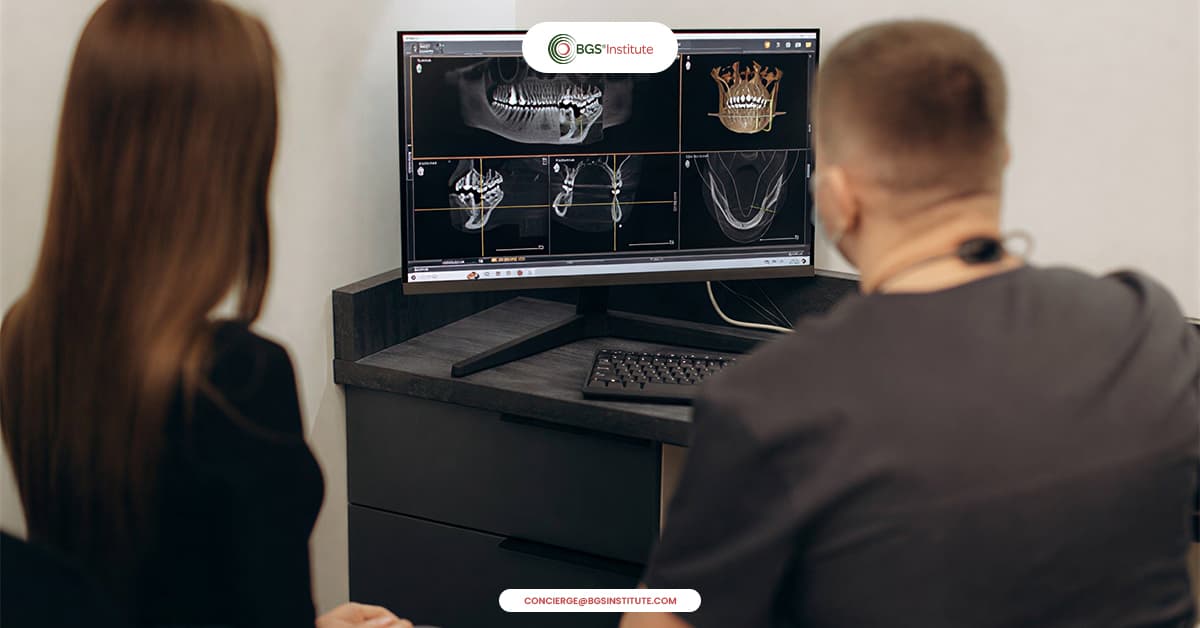
Advanced therapies such as photobiomodulation are also gaining attention for supporting healing, reducing inflammation, and improving recovery outcomes. Digital diagnostics, artificial intelligence, and precision imaging tools are helping practices deliver faster, more accurate, and less invasive treatments. Modern dental technology is improving care through:
CBCT imaging for more detailed diagnosis
Digital impressions for greater comfort
CAD/CAM systems for faster restorations
AI-supported pattern recognition
Teledentistry for improved access to guidance
These tools help clinicians detect problems earlier, plan more precisely, and reduce unnecessary treatment complexity.
Early Intervention Is Replacing Reactive Dental Care
Many modern dental practices are shifting toward earlier intervention instead of reactive treatment. Instead of waiting for severe symptoms to appear, dentists are working to identify underlying issues early and help patients maintain long term oral wellness.
This preventive approach may include nutritional guidance, oral microbiome awareness, airway assessments, and personalized risk evaluation. Customized treatment strategies are becoming more common because every patient responds differently to materials, procedures, and environmental factors.
This change is also influencing dental business models. Many practices are moving toward a more relationship driven and patient centered approach that focuses on education, trust, and long term care outcomes.
The Future of Dental Training and Education
As dentistry evolves, professional education must evolve with it. More clinicians are seeking advanced training in Biological Dentistry, oral-systemic health, safe material selection, airway-centered care, and minimally invasive treatment protocols.
The BGS Institute is helping lead this shift by teaching proven Biological Dentistry protocols while also setting a higher global standard for clinical education in the field. Its training model supports dentists who want to move beyond isolated symptom-based care and adopt a more comprehensive, biologically guided approach to diagnosis, treatment planning, and patient communication.
For modern dental professionals, the future of education is not only about learning new techniques. It is about understanding how oral health, systemic health, materials, inflammation, and prevention work together in patient care.
Conclusion

The future of dentistry is becoming more focused on whole body wellness, inflammation awareness, and patient centered care.
The future of dentistry is moving toward earlier detection, safer materials, advanced diagnostics, and a stronger understanding of the oral-systemic connection. Biological Dentistry supports this shift by helping clinicians evaluate how oral conditions, inflammation, materials, and treatment choices may affect overall health.
For dentists who want to stay aligned with this evolution, advanced education is essential. The BGS Institute provides structured training in Biological Dentistry protocols, helping clinicians apply proven methods while contributing to a higher global standard of patient-centered care.
If you want to understand how oral-systemic health, advanced diagnostics, and biologically focused treatment planning are shaping the future of dentistry, explore the official Biological Dentistry Masterclass.
FAQ
What is the Future of Dentistry focused on today?
The Future of Dentistry is focused on prevention, personalized care, advanced diagnostics, safer materials, and the connection between oral health and overall wellness. Modern dentistry is becoming more patient centered and technology driven.
How does Biological Dentistry differ from traditional dentistry?
Biological Dentistry considers how dental treatments affect the entire body. It prioritizes biocompatible materials, minimally invasive procedures, and patient specific care instead of focusing only on symptoms within the mouth.
Why is oral health connected to overall health?
Oral inflammation and infections may affect the immune system and contribute to systemic health concerns. Research continues to show links between gum disease and conditions such as cardiovascular disease and diabetes.
What does mercury safe dentistry mean?
Mercury safe dentistry refers to protocols designed to safely remove existing amalgam fillings while minimizing mercury vapor exposure. Mercury free practices avoid placing new mercury fillings altogether.
Why are patients seeking more personalized dental care?
Patients want treatment plans tailored to their health history, lifestyle, and wellness goals. Personalized care improves communication, treatment outcomes, and long term oral health management.
Why is Biological Dentistry becoming more important?
Biological Dentistry is gaining attention because patients want safer materials, more personalized care, and a better understanding of how oral health may affect overall wellness.
What role does technology play in the future of dentistry?
Technology such as CBCT imaging, digital scanning, AI-supported diagnostics, and CAD/CAM systems can help dentists detect problems earlier and plan treatment more precisely.
Why is advanced training important for Biological Dentists?
Advanced training helps dentists apply safer protocols, understand oral-systemic care, and use evidence-informed approaches in treatment planning. It also supports more consistent standards across modern Biological Dentistry.
.png&w=2048&q=75)